This Is Not Just a Toothache; It’s an Infection Alert
Night-time throbbing, sensitivity to hot and cold, pain when biting, and sudden swelling of the face. These are the most obvious warning signs of a dental abscess in children. An abscess is more than a source of pain; if treatment is delayed, the infection can spread. This guide walks parents step by step through what to do—and not do—at home, the definitive treatments provided in the clinic, and how to prevent recurrence.
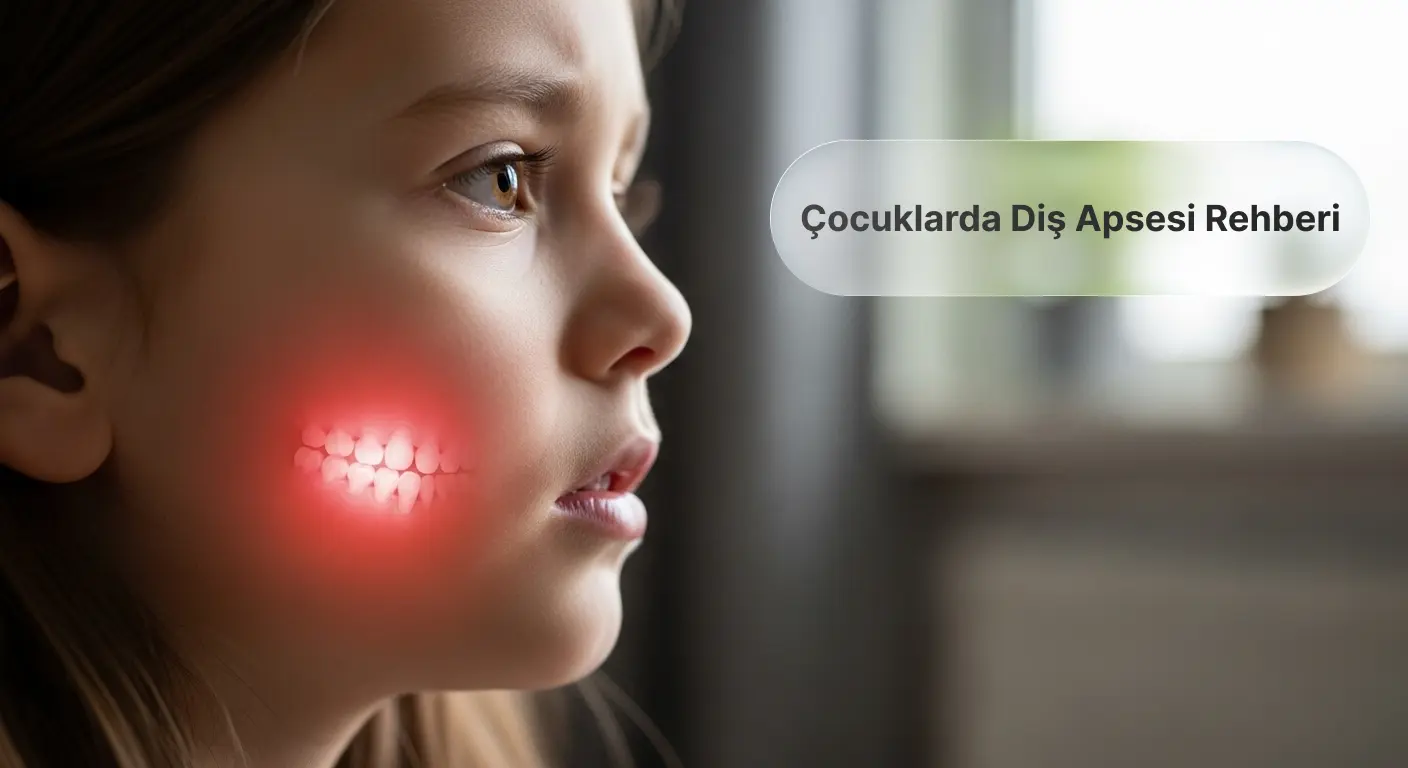
What Is a Dental Abscess? Why Is It More Common in Children?
A dental abscess is an accumulation of pus caused by bacteria at the root of the tooth or in the surrounding tissues. In children, several factors pave the way for deep decay and subsequent abscesses:
- Thinner enamel on baby teeth,
- Brushing habits that are not yet established,
- Night-time bottles and frequent sugary snacks.
Main Types of Abscesses
Periapical Abscess
When decay reaches the pulp, inflammation develops at the root tip. It is usually seen in baby teeth or young permanent teeth with a history of decay.
Periodontal/Gingival Abscess
A bacterial infection in the gum and surrounding tissues. It may be accompanied by tartar buildup and traumatic brushing.
Combined Lesions
Both the root tip and the gums may be affected. Diagnosis and treatment may require collaboration between pedodontists, orthodontists, and periodontists.
The Most Common Symptoms: When Is It an Emergency?
- Throbbing pain with pressure or chewing
- Sensitivity to cold and heat
- Pimple-like drainage point on the gums
- Swelling of the cheek, under the eye, or along the jawline
- Limited mouth opening, difficulty swallowing
- Fever, malaise, loss of appetite
Seek immediate care if any of the following occur: rapidly increasing facial swelling, fever, difficulty swallowing or breathing, pain radiating to the neck, or marked lethargy in the child.
First Aid for Parents: Do’s and Don’ts
Do
- Gentle rinsing with warm salt water
- Dentist-approved pain relief medication
- Resting with the head slightly elevated
- Avoiding sugary or carbonated drinks until the appointment
Don’t
- Attempt to lance or squeeze the abscess at home
- Start antibiotics randomly
- Apply hot compresses (they may worsen the swelling)
- Offer hard or extremely hot/cold foods
Home care only manages symptoms; definitive treatment must be done in the clinic.
Diagnosis: Painkillers Alone Are Not Enough
A pedodontic examination includes pulp vitality tests, sensitivity checks, evaluation of the surrounding tissues, and periapical radiographs when needed. The goal is to identify the source and spread of the infection and to plan the correct treatment.
Definitive Treatment: Eliminate the Source
The fundamental principle is to remove the infection focus. Treatment options depend on the type of lesion, whether the tooth is primary or permanent, and the child’s age and cooperation.
In Baby Teeth
- Vital pulpotomy or pulpectomy (a root canal–like therapy)
- Abscess drainage and local irrigation
- Extraction if root resorption is advanced
- Space maintainer planning when necessary
In Permanent Teeth
- Root canal therapy and abscess drainage
- Apex treatments for immature teeth
- Restoration and long-term follow-up
When Are Antibiotics Needed?
Antibiotics are prescribed only when systemic symptoms are present (fever, diffuse swelling, lymphadenopathy, cellulitis) and after the dentist’s clinical evaluation. Antibiotics alone do not eliminate the source.
Pain and Anxiety Management
Behavior guidance, local anesthesia, sedation when necessary, and—rarely—general anesthesia ensure painless, safe treatment for children.
Post-Treatment Care: Seven Rules to Prevent Recurrence
- Follow the dentist’s instructions for analgesics and prescribed medications.
- Avoid very hot, cold, or hard foods for the first 24 hours.
- Rinse as directed or use dentist-recommended local care.
- Do not skip brushing; use a soft brush around the treated area.
- Report any increase in swelling, pain, or fever to the clinic immediately.
- Keep all follow-up appointments.
- Plan preventive treatments if needed (fissure sealants, fluoride).
Why Does It Keep Coming Back? Breaking the Cycle
- Insufficient brushing and lack of interdental cleaning
- Continuous snacking, night-time bottles, sugary drinks
- Incomplete restorations or lost fillings
- Mouth breathing and dry mouth
Unless these factors are corrected, treatment outcomes may fail quickly. Behavior changes, dietary adjustments, and preventive measures are essential.
Preventive Dentistry: Stop Abscesses Before They Appear
- Age-appropriate brushing training with parental supervision
- Fluoridated kids’ toothpaste and regular professional fluoride varnish
- Fissure sealants for chewing surfaces
- Limiting sugar intake and finishing snacks with water
- Pedodontic check-ups every six months with risk-based radiographic monitoring
(Internal link suggestions: link to your pages on Fluoride Treatments, Fissure Sealants, and Baby Tooth Therapies.)
Expert Insight
“In children, dental abscesses are often the natural consequence of deep decay. A problem that could have been solved early with a simple filling can progress to drainage, root canal treatment, or extraction if it is delayed. The safest route for parents is to schedule an examination as soon as symptoms begin.” — Prof. Dr. Behiye Bolgül, Pediatric Dentist
Frequently Asked Questions
My child’s cheek suddenly swelled. Should we wait at home?
No. Rapid facial swelling, fever, or difficulty swallowing or breathing warrant an urgent evaluation.
Can an abscess heal without antibiotics?
The infection will not clear permanently unless the source is removed. When antibiotics are necessary, the dentist will prescribe them; alone they are not sufficient.
Does a baby tooth with an abscess always need to be extracted?
Not always. Depending on the condition of the tooth, it may be saved with pulpotomy or pulpectomy. In advanced cases, extraction and space maintenance are planned.
The abscess burst and the pain decreased. Do we still need to visit the dentist?
Yes. Reduced drainage does not mean the infection is gone; if the source is not treated, it will recur.
How can we prevent recurrence?
Regular brushing, interdental cleaning, limiting sugary snacks, professional fluoride treatments, and six-month check-ups.
Act Today for Your Child’s Oral Health
A dental abscess in children is an infection that must not be ignored. With accurate diagnosis and timely treatment, pain is controlled, the tooth is preserved when possible, and the spread of infection is prevented. Schedule an appointment today to ensure a confident evaluation of your child’s oral health.