Toothache and Dental Emergencies in Children on Holiday: A Guide for Families in Antalya
Don’t Cut Your Holiday Short, Protect Your Smile with the Right Care
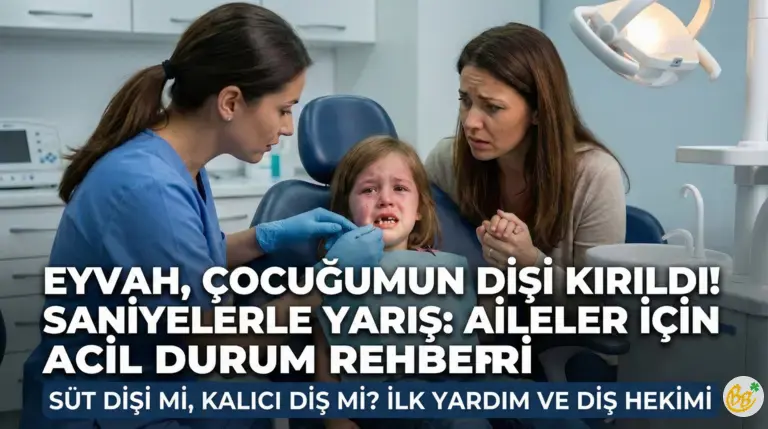
Although summer holidays mean unlimited fun for children, sudden toothaches or dental emergencies like pool-side falls and tooth fractures become inevitable with increased activity. Especially in busy tourism regions like Antalya, dental emergencies during holidays cause great panic for parents. In a dental trauma (tooth fracture or displacement), the first 1 hour (The Golden Hour) is critical. Whether the broken or displaced tooth is a primary (baby) tooth or a permanent tooth completely changes the course of treatment. In case of pain, aspirin or cologne should definitely not be placed on the tooth. At Prof. Dr. Behiye Bolgül’s pediatric clinic, emergencies are managed in the fastest and most trauma-free way without needing to cancel your holiday plans.
Suitcases are packed, hotel reservations are made, and the most awaited time of the year for your family has arrived: An Antalya holiday! Everything is moving like a dream with the sea, sand, sun, and pool fun… Until your child slips and falls by the pool or wakes up in the middle of the night with a severe toothache.
Childhood dental emergencies during holidays are one of the situations parents are least prepared for and panic about the most. Besides the rush of finding the right specialist in an unfamiliar city, not knowing the first aid steps to take instantly can lead to permanent tooth loss. So, what should you do when racing against seconds in possible dental emergencies that might happen to your child while on holiday in Antalya? Here is that life-saving guide for families.
1. Pool and Water Slide Accidents: Tooth Fracture or Total Displacement
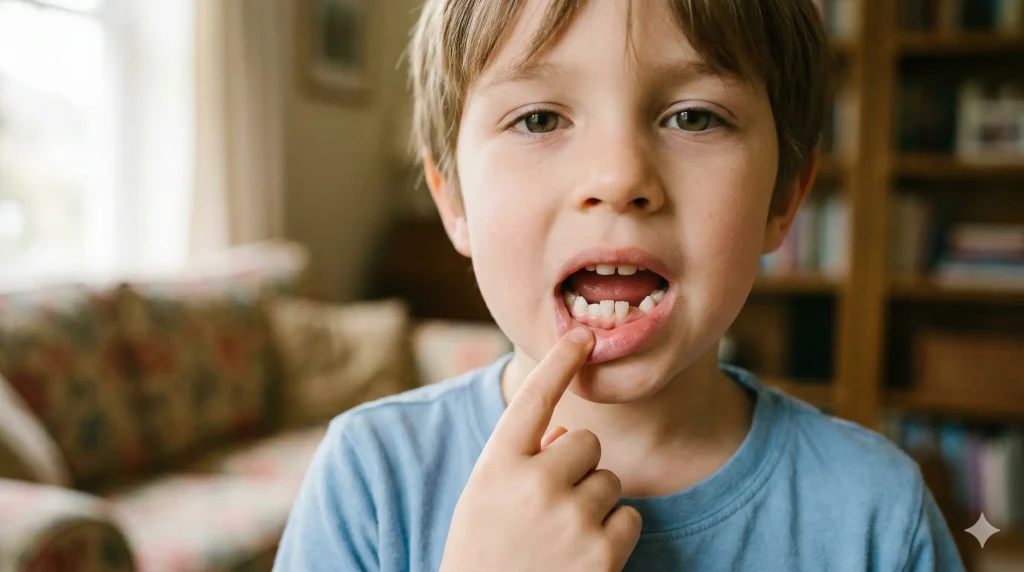
The most common reason for applying to pediatric clinics in the summer months is dental trauma due to falling on wet surfaces. If your child’s tooth has been completely displaced (Avulsion) as a result of trauma, the “Golden Hour” rule is in effect; meaning a permanent tooth can be reattached with the correct intervention within the first 60 minutes.
What Should You Do? Do not panic. If the displaced tooth is a primary (baby) tooth, it is NEVER put back in place to avoid damaging the germ (seed) of the permanent tooth coming from underneath. If the displaced tooth is a permanent tooth (usually front teeth in children older than 6), find the tooth immediately. Hold the tooth only by the white part (crown), never touch or brush the root part (yellowish root). Place the tooth in cold milk or a small container with the child’s saliva and reach a pediatric dentist urgently. Wrapping it in a napkin will kill the living cells in the root of the tooth.
2. Sudden Severe Night Pains
It is a common situation on holiday that your child, who consumed ice cream, cold drinks, and acidic foods all day, wakes up in the middle of the night with a throbbing pain. This pain is usually triggered by deep decay reaching the nerves (pulp).
What Should You Do? Have your child rinse their mouth with warm water. If there is food debris (e.g., meat or seeds) stuck between the aching teeth, clean it gently with dental floss. You can give a pain reliever (Paracetamol or Ibuprofen) suitable for your child’s age and weight, as previously recommended by your doctor.
What Should Never Be Done: Crushing aspirin on the tooth, applying cologne or alcohol-soaked cotton, or placing garlic is very dangerous; these do not relieve the pain and cause serious chemical burns on the gums.
3. Facial Swelling and Dental Abscesses
Especially in hot weather, with changes in body resistance, a decay that was previously progressing silently can suddenly flare up and turn into an abscessed infection. If your child has a noticeable swelling in the cheek area, redness, and fever, this is a medical emergency.
What Should You Do? Apply a cold compress (ice pack) to the cheek area where the swelling is from the outside. Definitely do not apply a warm compress; heat causes the infection to spread faster. Consult your pedodontist without losing time. Your dentist may start antibiotic treatment to control the infection and then perform root canal treatment (pulpotomy) or extraction depending on the situation.
4. Orthodontic Emergencies: Bracket Breakage or Wire Poking
If your child is undergoing orthodontic treatment (braces), brackets may break or the archwire may poke the cheek during biting hard food or jumping into the pool.
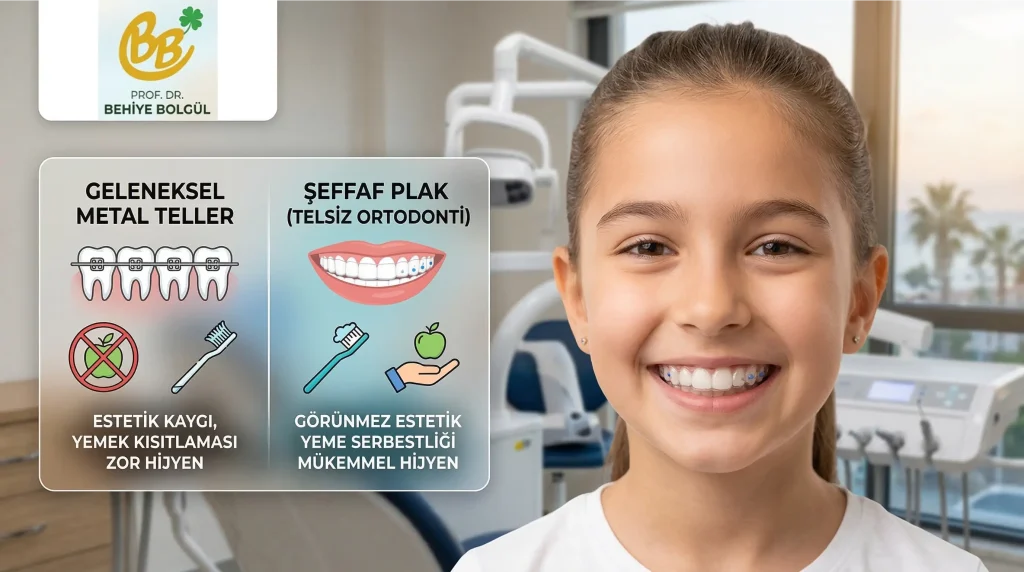
What Should You Do? Protect the cheek tissue by sticking orthodontic wax (or a piece of sugar-free gum) given to you previously by your orthodontist to the tip of the poking wire piece. Remove the broken bracket or aligner from the mouth to avoid the risk of swallowing and contact your doctor at the first opportunity. (In clear aligner treatments, the risk of such an emergency is almost zero, so clear aligners are much safer for travelers.)
Situation and Intervention Table: Quick Guide for Parents
Emergency Type
First Aid Step at Home/Hotel
What Should Never Be Done
Specialist (Pedodontist) Intervention
Permanent Tooth Displacement
Find the tooth, place in milk without touching the root. Go to the clinic within 1 hour.
Wrapping in a napkin, washing or brushing the root.
Reimplantation and fixation (Splint) of the tooth.
Primary Tooth Displacement
Only press gauze to stop bleeding.
Attempting to put the primary tooth back in place.
Radiographic control of whether the permanent tooth underneath is damaged.
Sudden Toothache
Rinsing with warm water, dental floss, pediatric pain relief syrup.
Applying aspirin, alcohol, or cologne to the gum.
Decay cleaning, filling, root canal treatment, or pulpotomy.
Dental Abscess (Swelling)
Applying a cold compress on the cheek from the outside.
Applying a hot water bottle, starting antibiotics on your own.
Infection drainage, appropriate antibiotic prescription, and treatment planning.
Frequently Asked Questions (FAQ)
Can I take my child to an adult dentist if their tooth aches while on holiday?
In case of emergency bleeding or trauma, any nearby dentist can perform the first intervention. However, when it comes to primary teeth, developing jaw structure, and especially “child psychology”, the main person who should manage the process must be a pediatric dentist (pedodontist). The panic children may experience in adult clinics can make treatment impossible.
Should I find the broken tooth piece?
Yes. If the tooth is not completely displaced but a large piece is broken, it would be great if you find the broken piece and bring it to the clinic in milk. In modern pedodontics, that natural piece can be glued back to the tooth using special bonding agents.
My child’s face is swollen, can I get antibiotics from the pharmacy on duty and continue my holiday?
Definitely no. Antibiotics do not treat the cause of the abscess (the decay at the focus), they only suppress it temporarily. When the medication is finished, the infection will return much more severely. Also, using antibiotics without a doctor’s examination leads to resistance development and different complications.
We are with you with our expert pedodontist team for all dental emergencies you encounter during your Antalya holiday. You can reach us to ensure your child completes their holiday without pain and trauma.
Antalya Pediatric Dentist Prof. Dr. Behiye Bolgül graduated from Dicle University Faculty of Dentistry as the top student in 1995. She started her doctorate in the Department of Pedodontics at the same university in 1996 and completed it in 2001, receiving the title of Pedodontist