The Truth About 6-Year Molars and Protection Methods
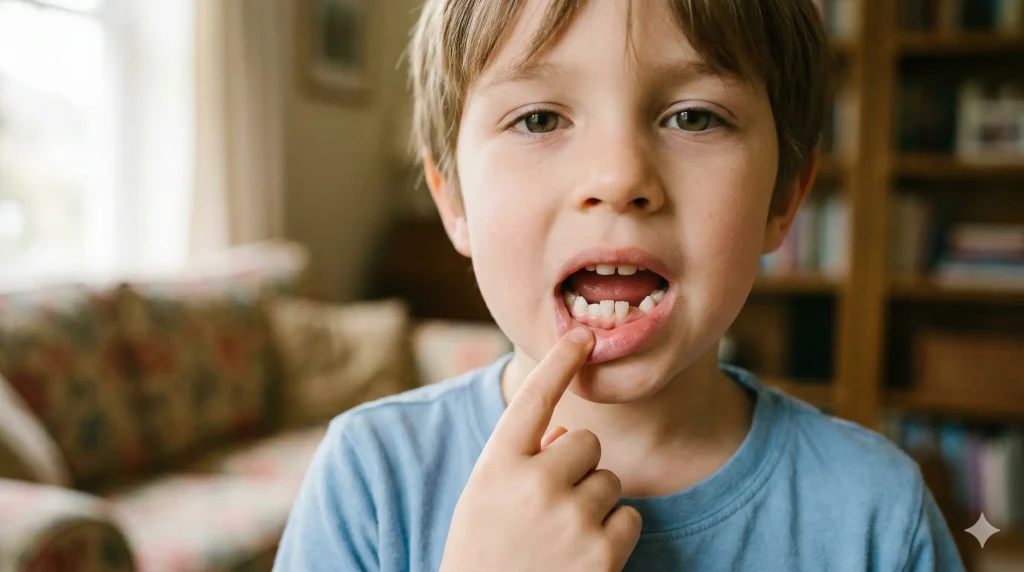
The most common misconception parents have about children’s dental health is: “They will fall out anyway, new ones will grow in their place.” However, the 6-year molars (permanent first molars) that silently erupt in the back of your child’s mouth at age 6 and must remain in the mouth for life are often mistaken for primary (baby) teeth.
These teeth emerge without any primary tooth falling out, located in the area where children have the most difficulty brushing, and are vulnerable. In this guide, with the expertise of Prof. Dr. Behiye Bolgül, you will find the actual cause of decay in children, the vital importance of Fissure Sealants, and what you need to do at home.

Related Articles
- What If a Primary Tooth Is Lost Early? 2025 Space Maintainer Guide
- Fissure Sealants in Children
- Fluoride Applications
- Dental Abscess in Children: Symptoms and Treatment
- Primary Tooth Treatments
- Early Childhood Caries (Bottle Caries)
- Sedation and General Anesthesia
- Dental Crowns in Children
- Dental Trauma Treatments
Why Are 6-Year Molars Known as “Decay Magnets”?
A large portion of permanent tooth decay in children occurs within the first 1-2 years after eruption is complete. The main reason is anatomical structure.
- Deep Grooves (Fissures): The chewing surfaces of 6-year molars are very grooved and ridged. Toothbrush bristles cannot reach these deep grooves, and food particles accumulate here, feeding bacteria.
- Insufficient Maturation: The enamel of newly erupted teeth has not fully hardened (has not completed maturation), making them vulnerable to acid attacks.
- Misconception: Parents think these are primary teeth and can be extracted if they decay. However, loss of these teeth leads to permanent damage to jaw structure. Learning about what happens if a primary tooth is extracted early is important to prevent this misconception.
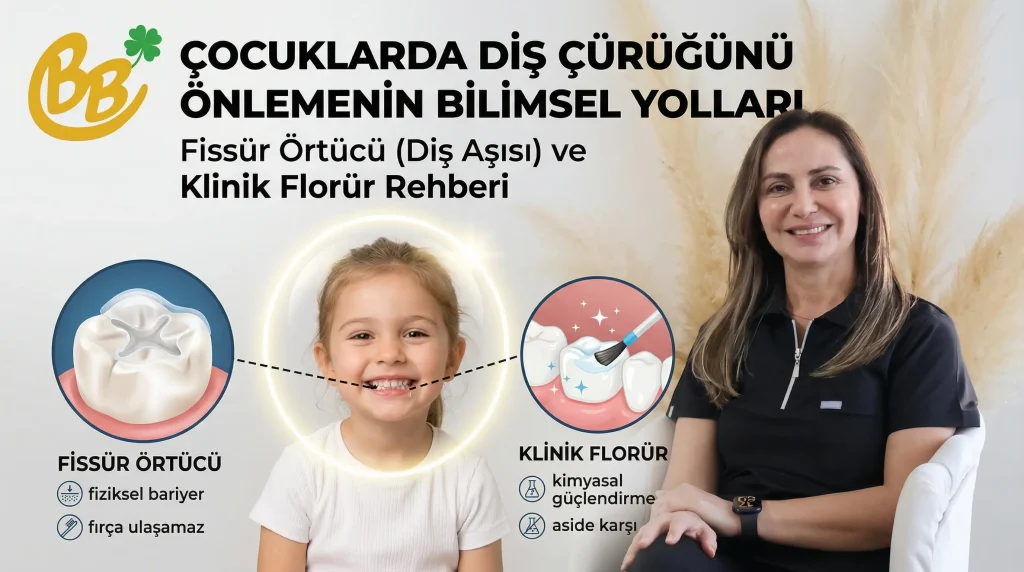
Due to these deep grooves, fissure sealant application (dental sealant) is the most effective method to protect 6-year molars. Fissure sealants seal the deep grooves on the tooth surface, preventing bacteria from adhering and preventing decay formation.
Gold Standards in Decay Prevention: Clinical and Home Care
The protective treatments applied in pediatric dentistry clinics and home responsibilities to protect your child’s teeth are:
| Treatment / Method | Purpose and Benefit | Duration |
|---|---|---|
| Fissure Sealant (Sealant) | Seals the deep grooves on the tooth with a flowable, “filling-like” material, preventing bacteria from adhering. | Years (Regular check-ups required) |
| Fluoride Varnish | Strengthens tooth enamel, increases resistance to acids, and repairs initial decay (white spots). | Should be repeated every 4-6 months |
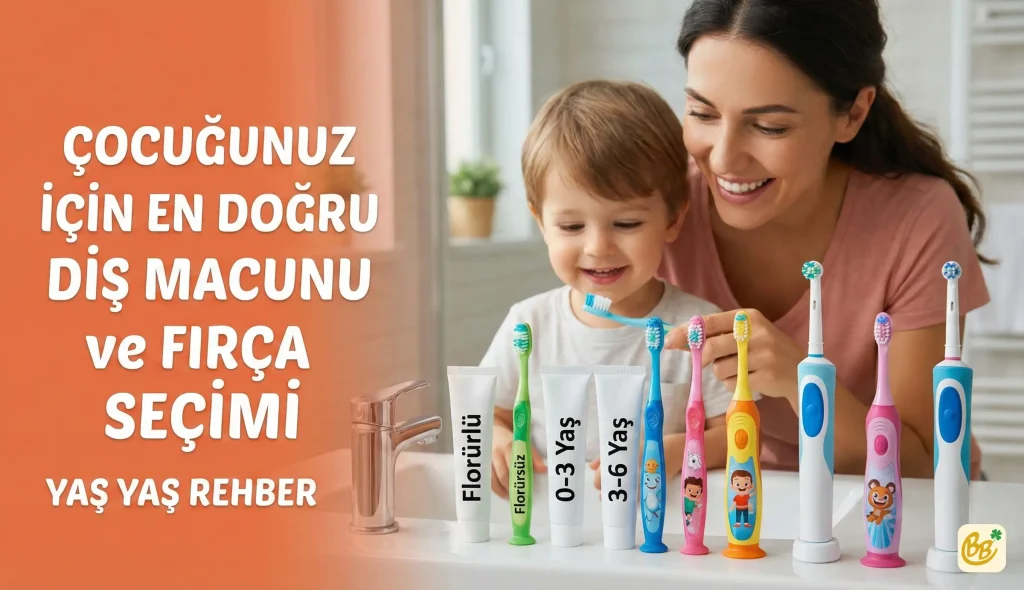
| Proper Brushing | Brushing should be done under parental supervision, especially reaching the back surfaces of 6-year molars. | Twice daily |
| Sugar-Free Nutrition | Sticky foods (jelly beans, crackers) stick inside fissures and accelerate decay. Should be avoided. | Continuous |
Fluoride applications, especially in preventing decay in children, are a safe and effective method recommended by the World Health Organization. Regularly applied fluoride varnish strengthens tooth enamel and reduces decay formation by up to 40%.
What You Should Absolutely Not Do? (Critical Mistakes)
Common mistakes to avoid to protect your child’s oral health:
| What Not to Do | Risk / Explanation |
|---|---|
| Saying “It’s a baby tooth, it can be extracted” | 6-year molars are not primary teeth. If extracted, chewing function decreases by 50% and other teeth shift into the space. |
| Going to the doctor only when pain starts | Pain indicates decay has reached the nerve. At this stage, protective treatment is not possible, dental abscess or root canal treatment may be required. It is very important to take preventive measures before decay causes pain. |
| Giving milk at night before sleep | Saliva flow decreases during sleep. Milk sugar (lactose) remaining on the teeth decays them until morning. This situation increases the risk of early childhood caries (bottle caries). |
| Only letting the child brush | Children’s fine motor skills are not fully developed until age 9-10. Parents must brush afterward. |
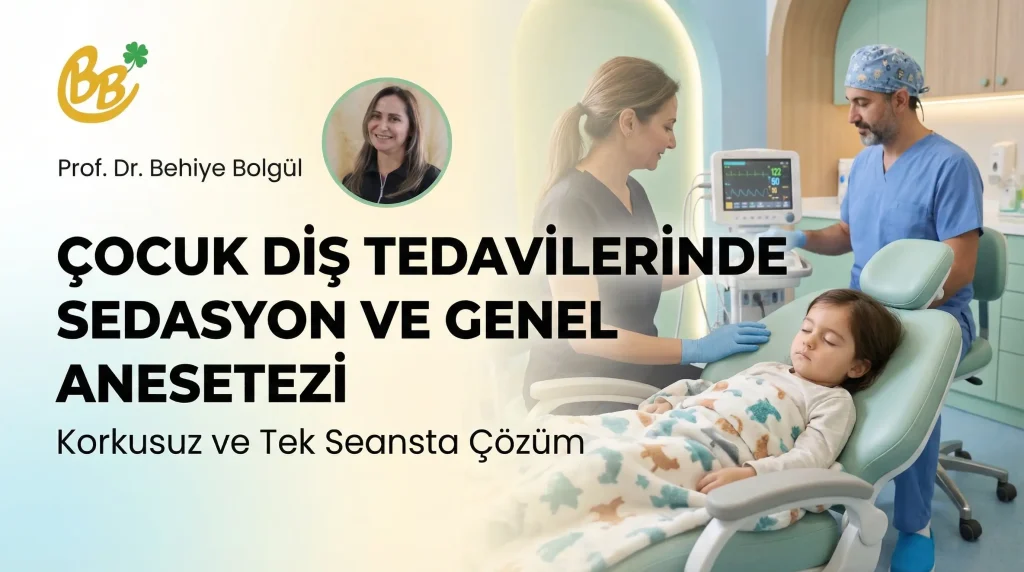
Regular pediatric dentistry examinations and early intervention are critical to prevent these mistakes. Especially if your child has dental treatment fear or cannot cooperate, treatment options under sedation or general anesthesia are available.
Expert Opinion
“6-year molars are the keystones of the mouth. Since no primary teeth fall out when these teeth erupt, parents usually don’t notice them. Unfortunately, we see these teeth severely decayed in many patients who visit our clinic, saying ‘we didn’t care because we thought it was a primary tooth.’ It is possible to protect these teeth for life with fissure sealants (dental sealants).”— Prof. Dr. Behiye Bolgül
Frequently Asked Questions
Will my child feel pain when fissure sealant (dental sealant) is applied?
No, fissure sealant application is completely painless. No drilling is done on the tooth (no needle is used), only the tooth surface is cleaned and protective material is applied.
When do 6-year molars erupt?
Usually between 5.5 – 7 years of age, they erupt behind the back primary molars. If your child’s tooth is damaged due to an accident, it is important to get information about dental trauma treatments.
My child has black spots on their teeth, is it decay?
These spots can be tartar, food staining, or initial decay. Iron medication use can also cause staining. A pediatric dentist examination is necessary for a definitive diagnosis. If decay is detected, dental crowns or filling treatment may be required.
Is fluoride application harmful?
Fluoride varnish/gel applications applied in a professional clinical setting at the correct dose are safe and are recommended by the World Health Organization (WHO) as the most effective method in preventing decay.
Don’t Postpone Your Child’s Smile
Taking preventive measures before decay forms is the right approach for both your child’s comfort and your family’s budget. Preventive treatments such as fissure sealants and fluoride applications are much more economical than the comprehensive dental treatments that will be needed in the future.