Symptoms and Home Care Methods
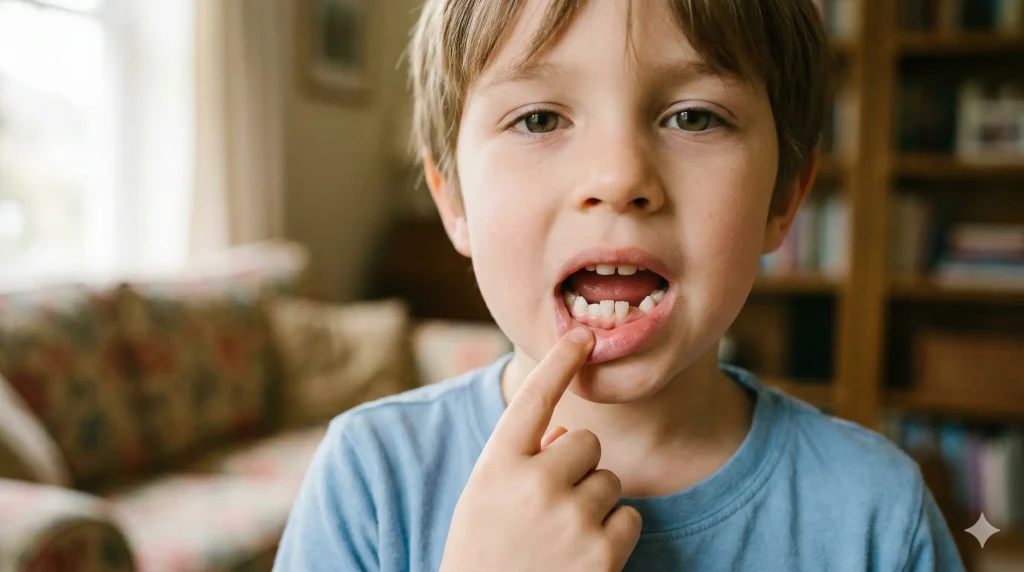
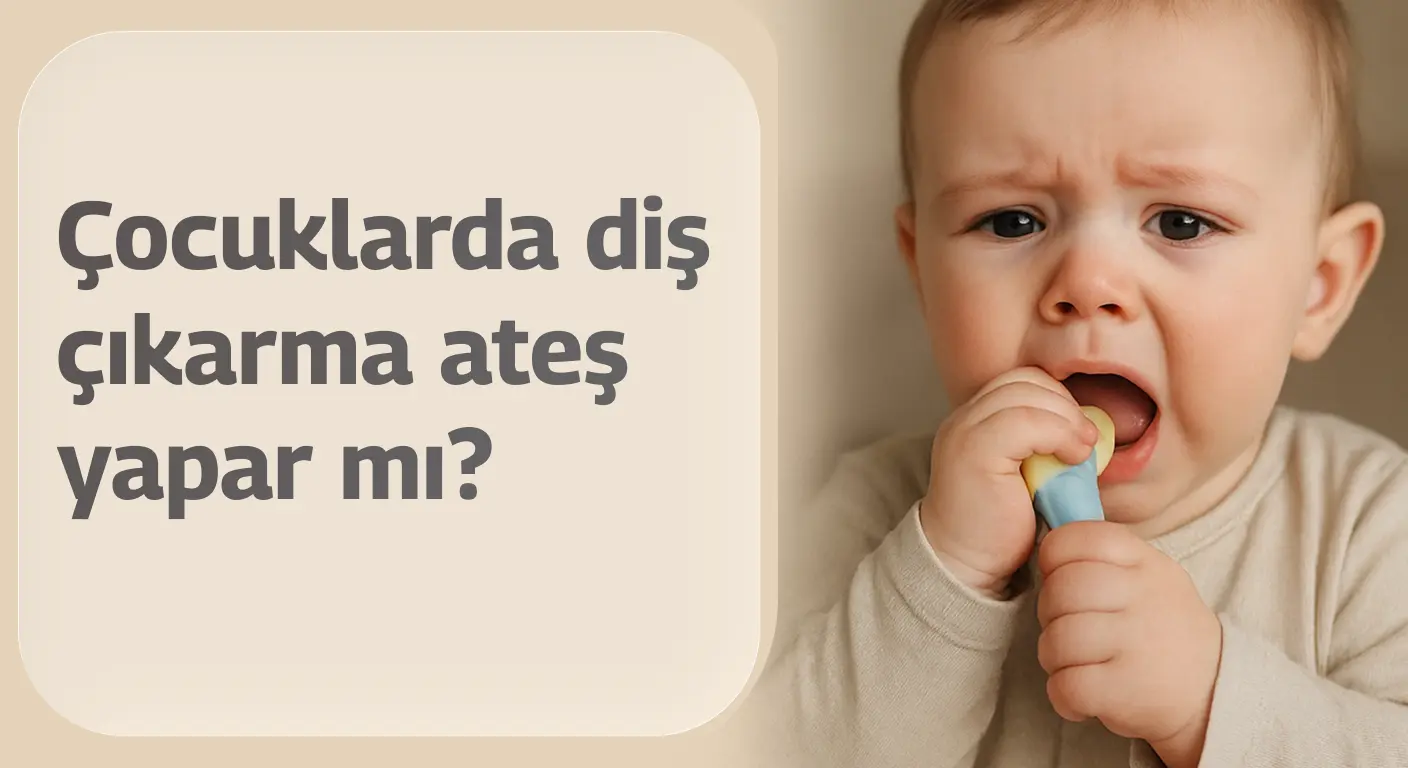
When your baby’s first teeth begin to erupt, fussiness, crying, and constantly putting hands into the mouth are natural parts of this developmental milestone. However, the most common concern parents have is: “Is this just teething, or is my baby getting sick?”
Especially symptoms like an increase in body temperature (“teething fever”) and diarrhea often raise concerns and send parents searching for answers online. In this guide, you will find scientifically supported teething symptoms, warning signs, and safe home care methods recommended by pediatric dentistry specialists.
Related Articles
- Early Baby Tooth Loss Guide (2025)
- Complete Guide to Teething
- Dental Abscess in Children
- Bad Breath in Children
- Baby Tooth Treatments
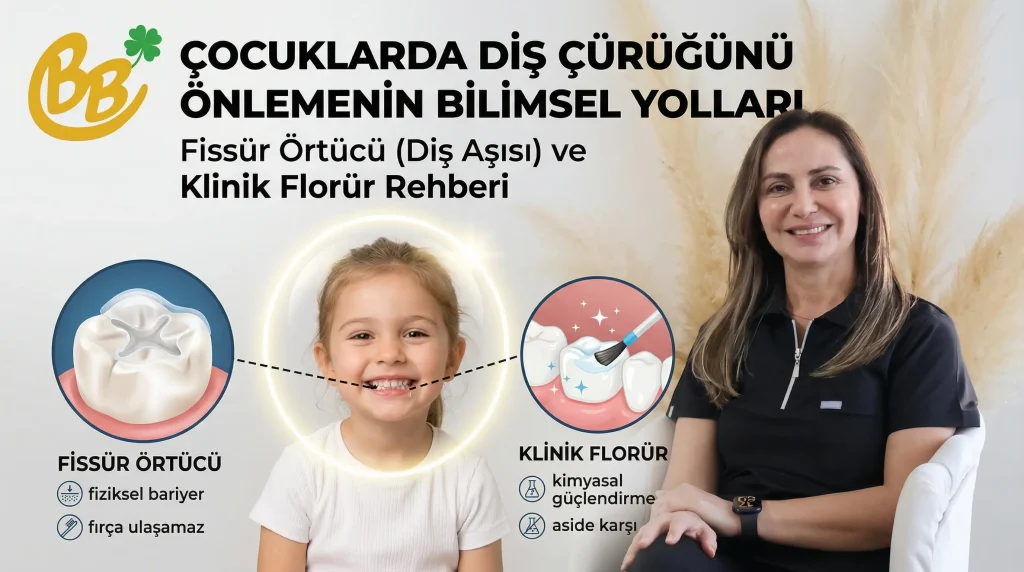
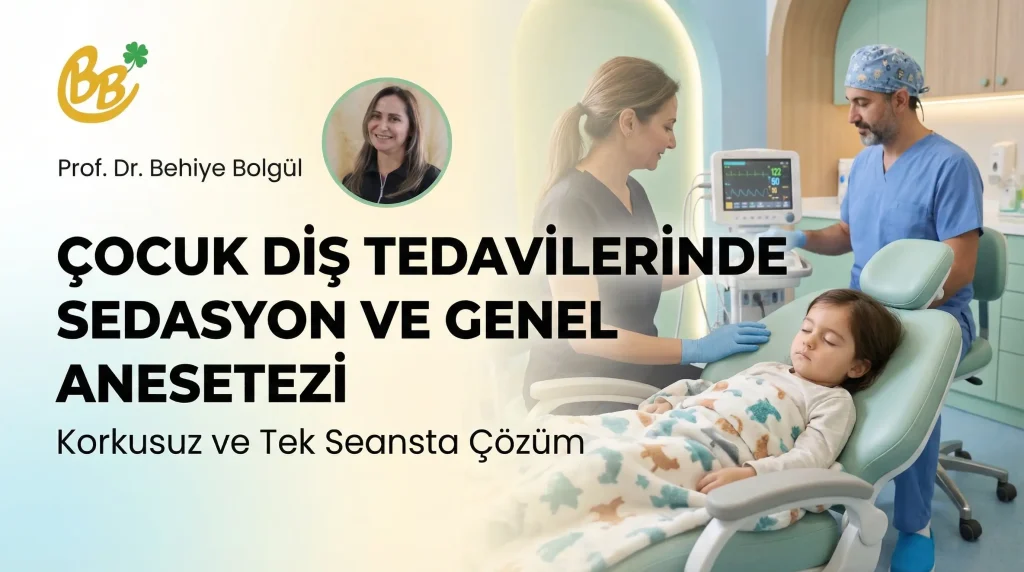
- Sedation & General Anesthesia
- Fluoride Applications
- Fissure Sealants
- Dental Trauma Treatment for Children
Is Teething Fever Real? What Science Says
Babies may experience a slight increase in body temperature during teething, but a high fever (38°C / 100.4°F and above) is not caused by teething.
- Mild Temperature Elevation: Gum inflammation can raise the temperature up to 37.5°C (99.5°F). This is temporary.
- High Fever (38°C / 100.4°F and Above): Usually a sign of cold, ear infection, or viral illness. Babies put everything in their mouths during this period, which increases infection risk.
Rule: If the fever exceeds 38°C (100.4°F) or lasts longer than 24 hours, consult a pediatrician.
Read more: Complete Guide to Teething
Most Common Symptoms of Teething
Key symptoms directly related to teething include:
| Symptom Category | Observation | Home Care |
|---|---|---|
| Oral Area | Gum swelling, redness, mild bruising, visible white tooth tip | Cold compress, gum massage |
| Drooling & Hygiene | Excessive drooling, chin/neck irritation | Frequent bib changes, keeping area clean |
| Behavior | Fussiness, sleep disruption, loss of appetite, ear tugging | Comforting, distraction, chilled chew toys |
| Gum Sensitivity | Refusal to chew or desire to bite objects | Chilled purees, teething toys |
Read more: Baby Tooth Treatments
Safe and Effective Home Care Methods
1. Cold Application
- Chilled teething toys: Store in the fridge, not the freezer.
- Cold spoon/cloth: Gentle pressure helps soothe gums.
2. Massage and Pressure
Gently massaging the swollen gum with a clean finger provides relief.
3. Medication (Under Medical Supervision)
If pain is severe, a pediatric dentist may recommend age-appropriate paracetamol (acetaminophen).
Read more: Sedation & General Anesthesia
What You Should Never Do (Safety Warnings)
| Avoid | Risk / Explanation |
|---|---|
| Over-the-counter numbing gels | Benzocaine may cause dangerous blood disorders |
| Alcohol-based solutions | Irritates oral tissues and carries toxicity risks |
| Frozen items | Can burn or damage the gums |
| Teething necklaces | Risk of strangulation and choking |
Read more: What Is Digital Anesthesia?
Expert Opinion
“Teething is a physiological process, not an illness. A temperature above 38°C (100.4°F) is NOT caused by teething. Assuming high fever is due to teething and delaying a doctor visit may lead to missed serious infections.”— Prof. Dr. Behiye Bolgül
Frequently Asked Questions
Does teething cause diarrhea?
No direct link; diarrhea is usually caused by infection.
Which teeth erupt first?
Typically the lower central incisors.
My baby is over 1 year old with no teeth yet. Is this normal?
Delay up to 18 months is normal; afterward, a pediatric dental check is recommended.
Can I use herbal teething gels?
No. Their ingredients can be unsafe or cause allergic reactions.
Make This Period Comfortable for Your Child
Teething is a challenging but temporary phase. With accurate information and proper care, it becomes much easier to manage.