Your child’s tiny, innocent smile is one of the most beautiful moments in the world. However, “Early Childhood Caries,” also known as “baby bottle tooth decay,” which threatens this precious smile, is a serious health problem faced by many families. As parents, being conscious of this issue is the most important step for our children to have healthy teeth for a lifetime. Early Childhood Caries (ECC) is defined as the presence of one or more decayed teeth, tooth loss due to this decay, or having a filled tooth in the milk teeth of children aged 71 months (approximately 6 years) and younger. This decay usually starts on the upper front teeth and can quickly spread to other teeth. Chalky white color changes occur at the gum line, and if not noticed or taken seriously, the decay forms brown pits. It weakens the tooth surface and can even progress to tooth loss. The decay in milk teeth, often dismissed with the thought “they will fall out anyway,” can actually directly affect your child’s nutrition, speech, sleep patterns, and even the health of their other permanent teeth.

What are the Symptoms of Early Childhood Caries (Baby Bottle Tooth Decay)?
The first and most important stage of treating baby bottle tooth decay is the correct diagnosis of the problem. Parents should consult a dentist when they notice the following symptoms on their children’s teeth:
• White Spots: The formation of (chalky) white spots on the surface of the teeth, especially near the gum line, is the first sign of decay.
• Brown or Black Spots: As the decay progresses, the white spots turn brown or black.
• Inflammation of the gums and infections in the teeth.
• Formation of pits and holes in the teeth.
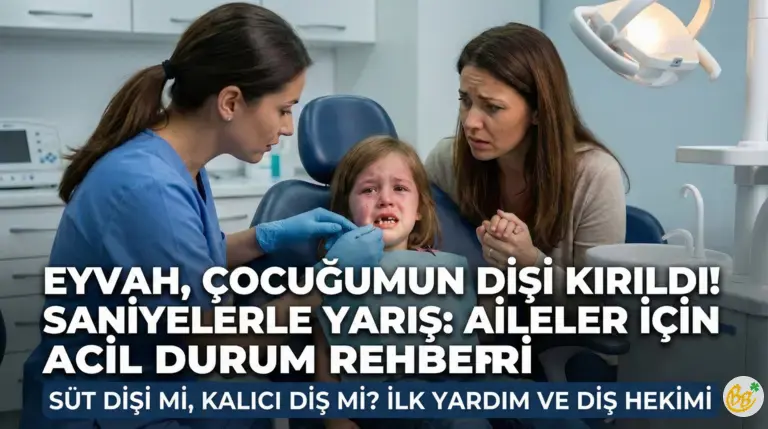
• Tooth Fracture: In advanced cases, tooth fractures and tooth loss occur.
• Speech impediments, lisping.
• Pain and Sensitivity: The child may complain of pain while eating or drinking.
• Bad Breath and Gum Problems: Symptoms such as bad breath and redness, swelling, and bleeding of the gums may be observed.
What Causes Early Childhood Caries (Baby Bottle Tooth Decay)?
Decay occurs when decay-causing bacteria feed on sugary liquids that accumulate on the baby’s teeth and produce acid. The biggest trigger for this condition is putting the child to sleep with a bottle filled with sugary liquids such as milk, formula, or fruit juice. During sleep, saliva flow, which cleans the mouth and neutralizes acids, decreases, leaving the teeth vulnerable. In this unprotected environment, the sugary liquids pooled around the teeth create a perfect ground for bacteria to produce acid for hours, and this constant acid attack rapidly erodes the tiny milk teeth, leading to decay. Another factor is the transmission of decay-causing bacteria from parents to the child through the mouth. Frequent consumption of sugary foods during the day and not cleaning the teeth regularly are other important factors that accelerate this process.
Decay primarily occurs when bacteria feed on sugary and carbohydrate food residues and produce acid. There are some specific situations in children that increase this risk:
• Sugary Foods and Drinks: Some parents choose to add sweeteners like sugar, molasses, or honey to milk or formula to calm a baby or stop them from crying. However, milk already contains lactose (a natural sugar). Extra sweeteners increase the risk of tooth decay. It is necessary to reduce the consumption of sugary snacks, biscuits, jam, chocolate, and fruit juices as much as possible.
• Inadequate Oral Hygiene: Not starting to brush as soon as the baby’s first tooth appears or not performing regular cleaning causes bacteria to form on the tooth surface.
• Bacteria Transmission: Situations such as parents or caregivers using the same spoon while preparing baby food or putting the baby’s pacifier in their own mouths can lead to the transmission of decay-causing bacteria to the child through saliva.
• Breast Milk: Breast milk also naturally contains sugar and can lead to decay if it remains on the teeth for a long time. However, breastfeeding carries a lower risk compared to bottle-feeding.
What Can Be Done to Prevent Early Childhood Caries (Baby Bottle Tooth Decay)?
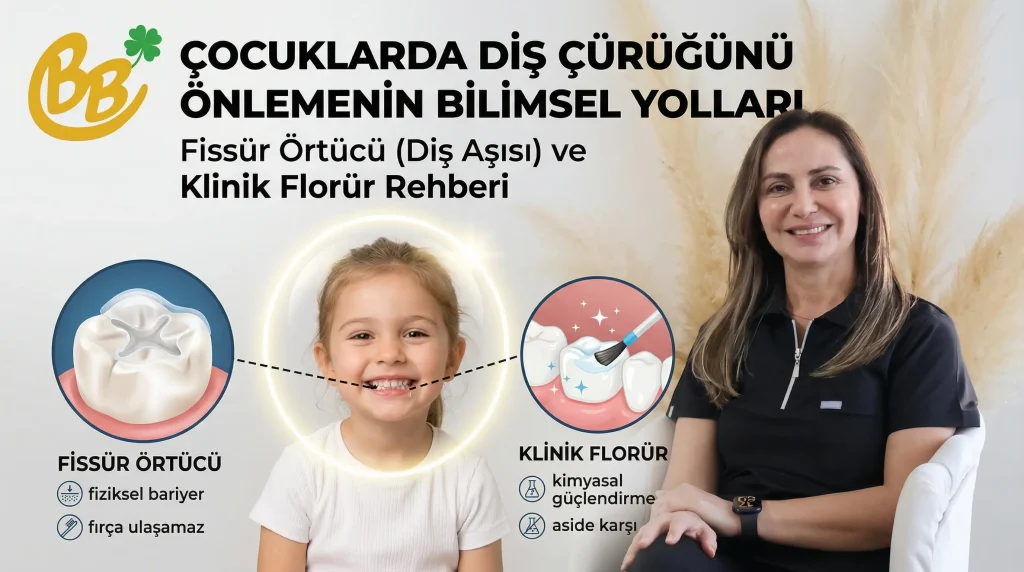
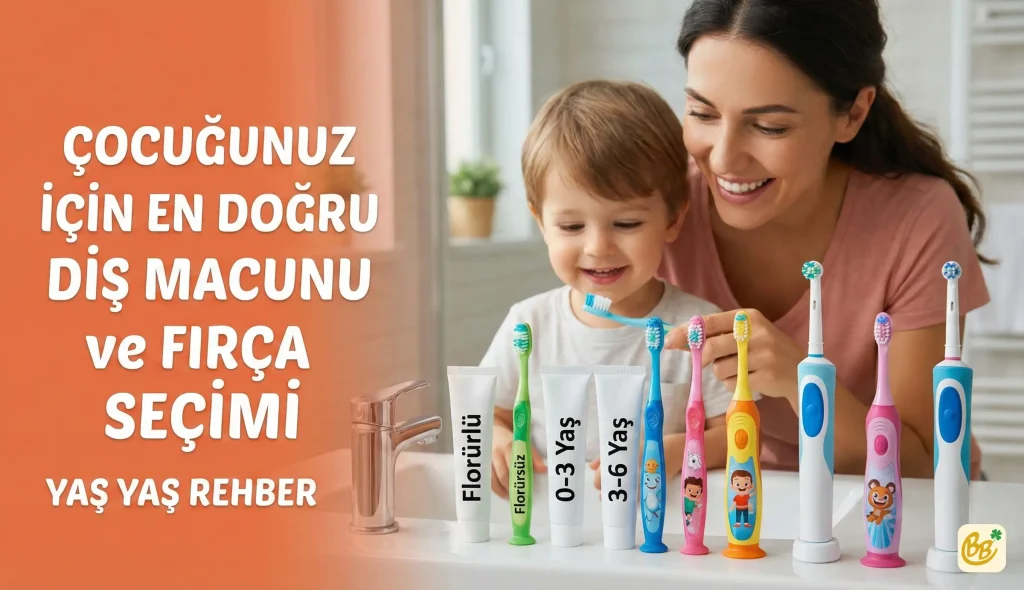
Protecting your child’s smile for a lifetime is possible with the right knowledge and habits. Early Childhood Caries (ECC) is a completely preventable disease. First, regulate eating habits, because decay-causing bacteria feed on sugar. Never put your child to sleep with a bottle containing sugary liquid (including milk, fruit juice, formula). If they have a habit of sleeping with a bottle, put only water in it. Reduce sugary snacks and drinks as much as possible. Instill healthy eating habits in children. Start oral hygiene early. Even before your baby’s first tooth appears, gently wipe their gums with a clean, damp cloth after each feeding. Once the first tooth emerges, start using a soft-bristled toothbrush appropriate for their age. Establish a proper brushing routine. From the age of 2, brush your child’s teeth twice a day, after breakfast and before bed, with a fluoride toothpaste in an amount recommended by your dentist. The brushing must be done or supervised by a parent. Introduce your child to a pediatric dentist after their first tooth appears, or by age 1 at the latest. This way, if baby bottle tooth decay has started, it can be detected early, and it will also help your child get used to the dentist’s chair. Do not neglect regular 6-month check-ups.
How is Early Childhood Caries (Baby Bottle Tooth Decay) Treated?
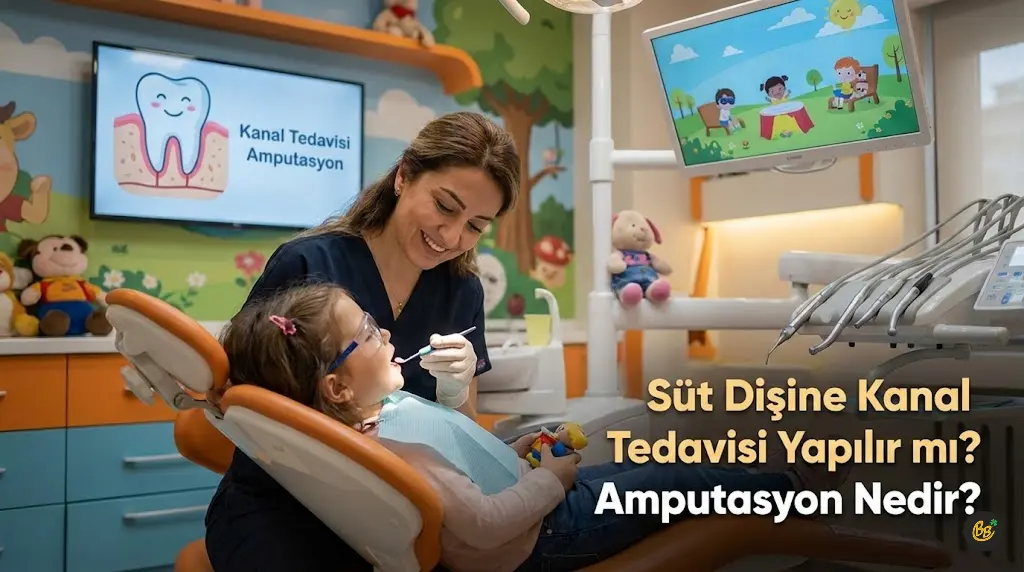
Intervention with early diagnosis prevents the formation of decay and reduces existing risks. If your child has the beginning of ECC or advanced cavities, a special treatment plan is created entirely based on the child’s age, the extent and depth of the decay, and the child’s overall health status. In the initial stage, the first step is to teach the child proper teeth cleaning and educational habits. Additionally, families should be informed that the bottle should not be used throughout the night. For white spot lesions, fluoride treatment can be applied to strengthen the tooth’s mineral structure. If the decay has progressed but has not reached the tooth’s nerve, the decayed tissue is cleaned and treated with dental filling materials. If the decay has affected the tooth’s nerves, root canal treatment or, in cases where the infection is widespread, tooth extraction may be necessary.
The treatment of baby bottle tooth decay can vary depending on how far the decay has progressed. At our clinic in Antalya, under the leadership of pediatric dentist Prof. Dr. Behiye Bolgül, we offer each of our child patients a special and safe treatment experience at the highest standards, and we guide you at every step of your child’s journey. You can contact us to create a personalized analysis and treatment plan for you.
What Happens If Early Childhood Caries (Baby Bottle Tooth Decay) Is Not Treated?
Untreated decay rapidly progresses, reaching the deeper layers of the tooth. This situation causes unbearable, severe toothaches for the child. The pain prevents the child from eating, disrupts their sleep schedule, and prevents them from getting healthy sleep, negatively affecting their overall mood. A child suffering from constant toothache has difficulty chewing and eating. This results in children who do not want to eat. Inadequate nutrition can lead to growth and development delays. One of the most common misconceptions is that cavities in milk teeth will not negatively affect the permanent teeth that will come in underneath. However, the infection at the root of a decayed milk tooth damages the bud of the developing permanent tooth right below it. This can cause the permanent tooth to erupt with developmental defects (such as shape or color abnormalities) or cause its eruption path to change. The early loss of milk teeth negatively affects the child’s speech development and can lead to problems like lisping. Visible black and broken teeth negatively affect the child’s aesthetic appearance. This can damage the child’s self-confidence, causing them to shy away from smiling or speaking in social settings.
In conclusion, early childhood caries is not a simple problem and must be treated. Early diagnosis and intervention are important. It is the most effective way to protect your child from all these serious consequences and to give them a healthy smile. Remember, it is in your hands for your child to have a healthy smile. Do not hesitate to contact our clinic for any questions or concerns you may have about your child’s oral and dental health. A healthy smile is the most beautiful gift.