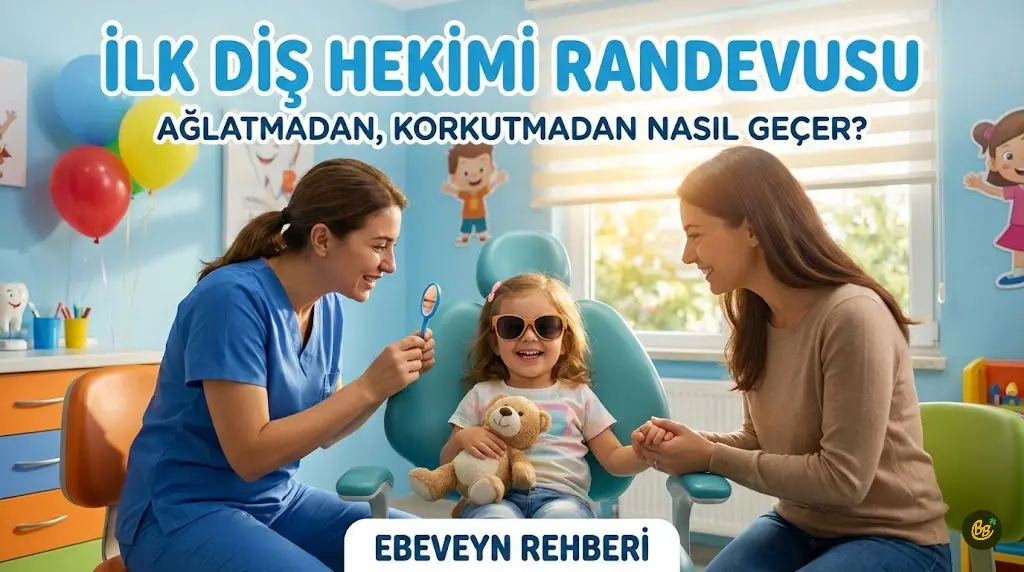
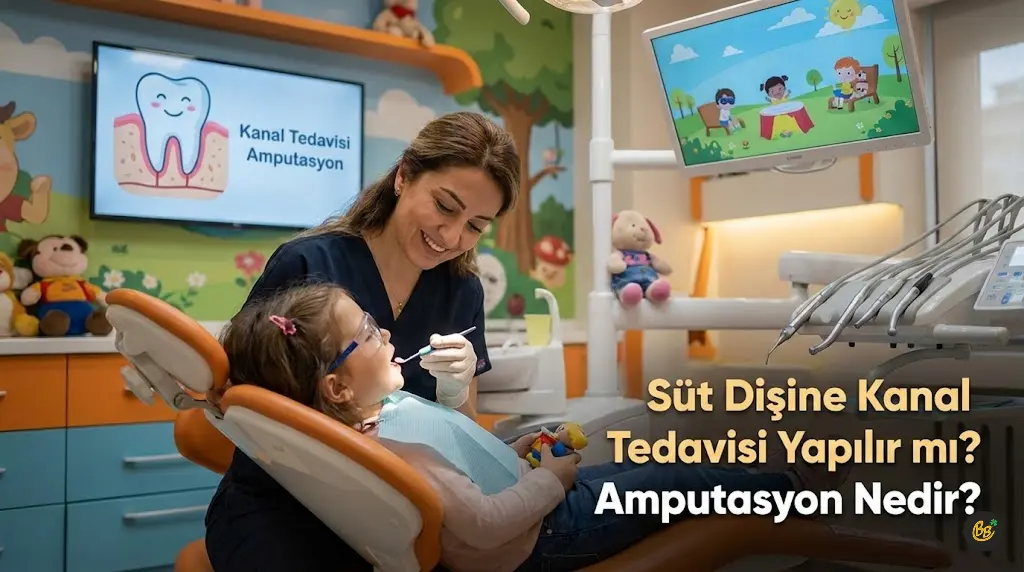
We are putting an end to the fear of needles with digital anesthesia, a revolution in our pediatric dentistry. We apply the Single Tooth Anesthesia (STA) technology in our clinic to ensure your child’s dental treatments are painless, comfortable, and stress-free.
As a parent, your child’s health and happiness come before everything else. However, when it comes to dental treatment, many families share a common concern. Will my child feel pain? Will they be scared of the needle? The fear of the dentist, and especially the fear of injections (needles) in children, is one of the most significant obstacles that leads to the postponement of necessary treatments and, consequently, the deterioration of oral health. The child sees the needle, feels the pain, becomes scared, and this fear increases exponentially with each subsequent visit. This cycle creates a barrier of trust between the child and the dentist, making the treatment process challenging. This is where modern dental technology offers a solution to the biggest concern of parents. At our clinic, we eliminate these concerns and work with the most current and reliable technology for your children: Digital Anesthesia.
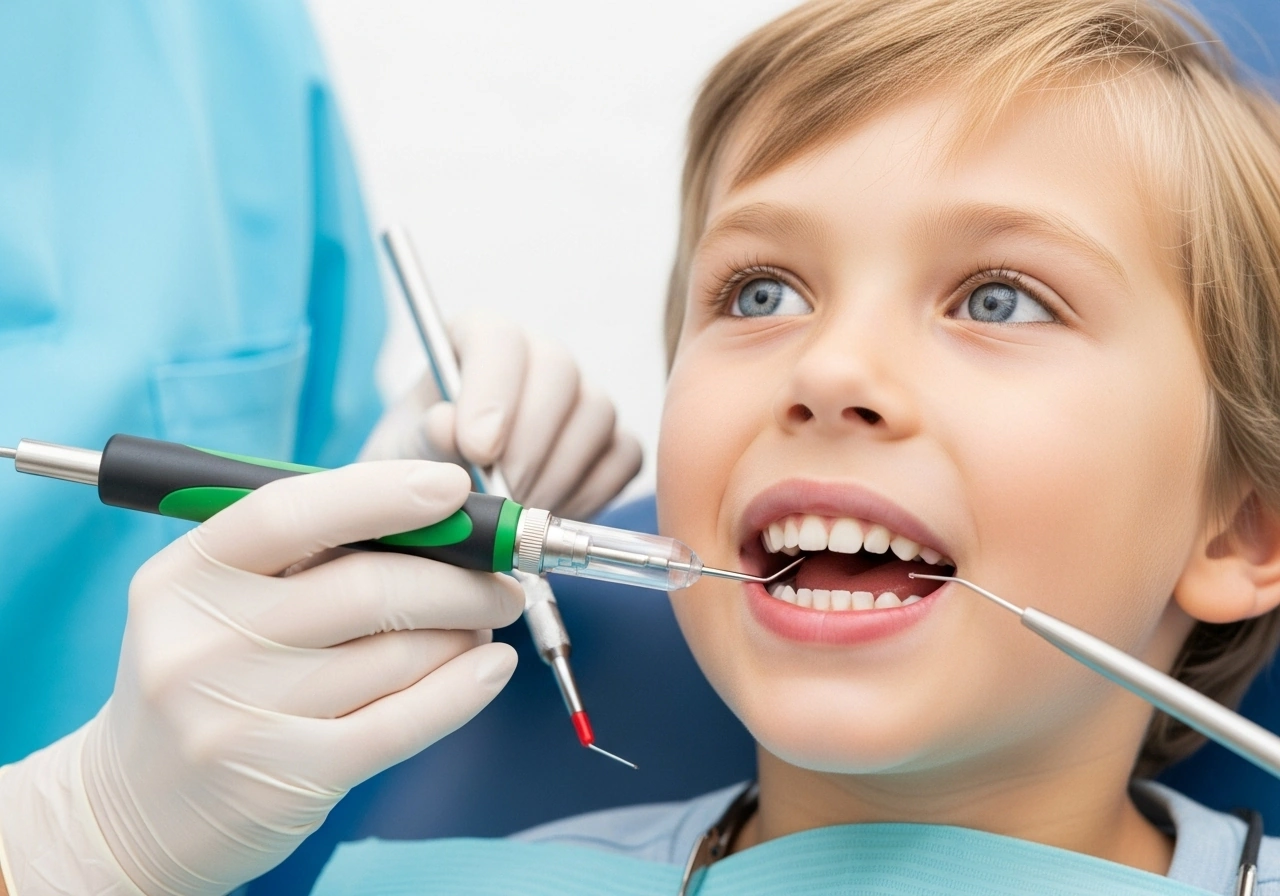
Digital Anesthesia is a computer-controlled anesthesia system that replaces traditional, intimidating syringes. It is pen-like, has a very thin needle at its tip, and almost completely eliminates pain. The application method involves applying a numbing gel called a topical anesthetic to the area where the needle will enter. This gel provides superficial numbness, making the initial contact almost completely sensation-free. Then, the digital anesthesia device, which looks much thinner and more like a pen than traditional syringes, comes into play. This smart device begins to deliver the anesthetic drug into the tissue with millimetric precision and at an extremely slow flow rate. Thanks to its computer-controlled system, the flow rate of the drug and the pressure within the tissue are continuously measured and adjusted. This slow and controlled delivery eliminates the pain and burning sensation caused by the sudden pressure increase in traditional injections. Our little patients barely feel the needle’s entry because the damage to the tissues is minimal.
Digital anesthesia also minimizes unnecessary numbness in surrounding tissues like the lips or cheeks, as the drug only numbs the targeted tooth and its immediate vicinity. This entire process is continuously monitored by the dentist on the device’s screen, and immediate adjustments are made, prioritizing the child’s comfort. This application, which takes an average of 3–4 minutes, makes the dental treatment process much more comfortable, stress-free, and positive for children.
What are the Differences Between Digital Anesthesia and Traditional Anesthesia?
In traditional anesthesia application, the anesthetic liquid is injected into the tissue with the pressure applied to the plunger by the dentist’s thumb. No matter how experienced and gentle the dentist is, it is nearly impossible to keep the speed and intensity of the pressure constant. Fluctuations in pressure consequently cause pain. Digital anesthesia, on the other hand, leaves this process entirely to computer control. The device constantly measures and adjusts the drug’s flow rate, pressure, and tissue resistance in real-time. This means a level of control far beyond the sensitivity of the human hand. It overcomes the variability of the treatment method, which can depend on the dentist’s manual skill, experience, and current state. This is a guarantee that patients will receive the same high standard of service every time. This is one of the most important factors that reinforces trust in a clinic.
Traditional anesthesia can often numb an entire half of the jaw, including a large area like the tongue, lip, and cheek, for hours. The resulting widespread numbness increases the risk of the child accidentally biting their tongue, lip, or cheek, which can lead to serious injuries. Digital anesthesia, however, provides much more targeted numbing. Thanks to the “STA technique,” only the tooth to be treated and a very small surrounding area are numbed. This eliminates the risk of the child accidentally biting, as the lip, tongue, or cheek are not numb. One of the biggest anxieties for children is the sight of the “scary syringe.” The digital anesthesia device has a friendly, pen-like appearance, often introduced as a “dental pen.” This greatly reduces children’s needle phobia and pre-treatment stress. It replaces the fear triggered by traditional large, metal syringes with a calmer approach. Another difference is the onset time. Digital anesthesia generally takes effect more quickly, which shortens the waiting time to start the treatment. With the traditional method, it is necessary to wait a few minutes for the numbness to begin.
Is Digital Anesthesia Suitable for Everyone?
Due to the comfort and painless injection advantages it offers, digital anesthesia is suitable for everyone with a needle phobia, across all age groups. Children are the group that benefits the most. As it minimizes the fear of needles and doctors and prevents traumatic experiences, it is frequently preferred in pediatric dentistry.
Is the Medication Used in Digital Anesthesia Safe?
When it comes to your child’s health, the safety of a treatment is just as important as its comfort. As a parent, you have the right to be fully informed about the reliability of the method and substances used. Our clinic operates on a principle of complete transparency in this regard.
One of the most common concerns for parents is whether a new technology like digital anesthesia means an unknown chemical is entering their child’s body. You can be completely at ease about this. The anesthetic solutions used in digital anesthesia systems are exactly the same as the medications that have been used safely in traditional syringes for years. The only thing that changes is the way this reliable medication is delivered to the body. In other words, it’s not the medication itself that is safer, but the method of application.
In Which Dental Treatments is Digital Anesthesia Preferred?
It has become the first choice for many treatments in pediatric dentistry that require local anesthesia. It can be used in any situation that positively affects the child’s dental experience by eliminating the fear of traditional needles and offering fewer side effects.
The dental treatments in which digital anesthesia is preferred for children include:
- Filling Procedures
It is used for both large and small cavity fillings, which are one of the most common dental treatments in children. By numbing the tissue around the tooth, it allows the filling procedure to be completed comfortably without the child experiencing pain from the needle. - Milk Tooth Extractions
When decayed milk teeth need to be extracted, digital anesthesia helps the child get through the process more easily. Since the tooth and surrounding tissue are numbed, milk tooth extractions are painless. - Root Canal Treatments
In cases of deep cavities or infections, root canal treatments involve working in areas that contain the tooth’s nerve. Digital anesthesia ensures the child does not feel pain during these sensitive procedures, leading to a more successful treatment. - Gum Treatments and Minor Surgical Procedures
Surgical procedures such as gum cleaning, gingivitis treatments, and minor gum interventions can be performed painlessly with digital anesthesia. - Examination of Painful and Sensitive Teeth
In cases of severe toothache or sensitivity complaints in children, it may be necessary to numb the tooth or area even for diagnosis. Digital anesthesia ensures the child’s comfort during the diagnostic process.
What are the Advantages of Digital Anesthesia?
The benefits of digital anesthesia significantly impact both the moment of treatment and the post-treatment period. Its most important benefit is making the anesthesia procedure completely painless. It has been proven that the use of digital anesthesia in children reduces the pain they experience with traditional syringes and the negative behaviors associated with pain (such as fear, crying, and struggling in the chair). Many of our child patients do not even realize an injection is being given during the procedure, stating they only feel a slight touch or pressure. This allows your child to start the treatment calmly and comfortably. This technology, which replaces the intimidating syringes for children, eliminates fear with its pen-like design, replacing the “scary needle” image in the child’s mind with the thought of an “interesting pen.” By starting the treatment comfortably and without trauma, dental anxiety commonly seen in children is prevented.
Traditional anesthesia methods numb not only the tooth being treated but also the entire half of the jaw, tongue, lip, and cheek for hours. Due to the lingering numbness after treatment, children can accidentally bite their tongues, lips, or cheeks, causing serious injuries. This situation is quite frightening and uncomfortable for children. Digital anesthesia completely eliminates this problem by delivering the anesthetic drug directly into the very thin space between the tooth and the bone, numbing only and exclusively the part to be treated. Your child undergoes treatment without feeling any difference in their face and can return to their normal life immediately after the appointment without pain, swelling, numbness, or sensitivity. Another important factor is that the anesthetic fluid in digital anesthesia is delivered to the tissue at the most appropriate speed and pressure. The injected fluid is distributed evenly in the tissues. Patients do not feel pain or discomfort during the procedure. Since the onset of action is fast, there is no need to wait long for numbness, and treatment can begin immediately.
Conclusion
In conclusion, digital anesthesia in pediatric dentistry is much more than just a technological innovation that eliminates the needle. Our clinic aims to prioritize the comfort and safety of your most precious one, your child. For this purpose, we never hesitate to invest in the most current and scientifically proven technologies. If you would like more information about digital anesthesia or to meet our clinic and expert team, we invite you to schedule an appointment. Let’s build the future of your child’s healthy smile together, with confidence.