Sleepless nights, constant fussiness, drool soaking the pillow, and most importantly, seeing the discomfort your tiny baby cannot express in words… Yes, the teething period in children can be a very challenging and anxious process for both babies and parents. This completely natural developmental stage usually begins around the 6th month and brings with it many questions: “How can I tell if my baby is teething?”, “Is teething fever real?”, “What can I do to comfort my baby?”, “Which teether is safe?”
Don’t worry, you are not alone in this process, and what you are experiencing is completely normal. In this comprehensive guide, we will cover everything you need to know about the teething process in children, from the most common symptoms to the safest relief methods, and from the advice of a pediatric dentist (pedodontist) to the dangerous practices you should avoid.

When Does Teething Start and What Are the Symptoms?
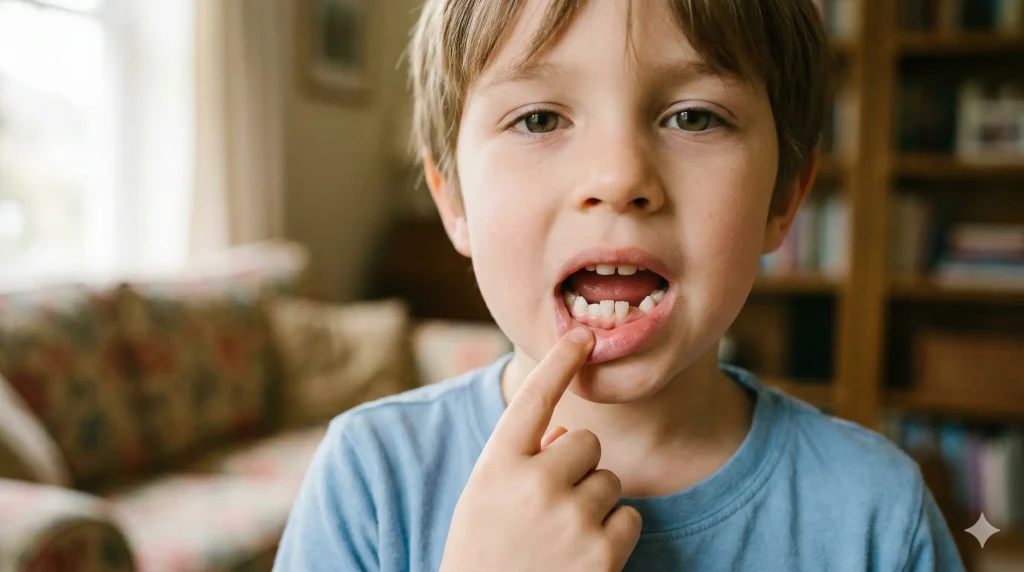
Although each baby’s development process is unique, the first baby teeth generally begin to appear between 4 and 7 months. Most often, the lower front incisors erupt first. This process can continue until all 20 baby teeth have come in, which is around the age of 3. So, how can you tell that this period is approaching and that little pearl is on its way?
The Most Common Teething Symptoms
If you observe one or more of the following symptoms in your baby at the same time, you are likely about to say “hello” to a new tooth:
- Excessive Drooling: Teething increases saliva production. Your baby’s pillow and bib being constantly wet is one of the clearest and earliest signs. This drool can also cause a mild rash around the chin and mouth.
- Desire to Bite and Chew on Everything: The pressure and itching in the gums can turn your baby into a “biting monster.” They will try to relieve themselves by putting their hands, fingers, toys, and everything they can find into their mouth to apply counter-pressure to their gums.
- Fussiness, Crying Spells, and Crankiness: The process of the tooth breaking through the gum can be painful. This can cause your baby to be more cranky, fussy, and difficult to soothe than usual.
- Swollen and Tender Gums: If you look closely at the area where the tooth is erupting, you may notice a slight redness and visible swelling. Sometimes a small bluish spot (eruption cyst) may be visible, which is usually harmless.
- Disrupted Sleep Patterns: Shortened daytime naps and frequent waking at night are among the most prominent results of gum discomfort. The pain can become more noticeable during sleep.
- Loss of Appetite: Sucking or being fed with a spoon can be painful due to sensitivity in the mouth. It is quite normal for them to refuse feeding for this reason.
- Mild Cheek Rubbing and Ear Pulling: Tooth pain can radiate to the cheeks and ears through shared nerve pathways. Your baby constantly pulling their ear could be a sign of an ear infection, but it could also be referred pain from teething.
Does Teething Cause a Fever? That Famous and Worrying Question
This is the topic that worries parents the most and about which there is the most misinformation. The opinion of experts and scientific data on this matter is very clear:
Teething does not cause a high fever (38°C / 100.4°F and above), severe diarrhea, or vomiting.
A very slight increase in body temperature (“subfebrile fever,” between 37-37.5°C / 98.6-99.5°F) may be observed due to the mild inflammation as the tooth breaks through the gum. However, if your baby has symptoms such as a high fever, persistent diarrhea, vomiting, or severe fussiness, it is highly likely that this is a sign of another viral or bacterial infection rather than teething, and you must consult a pediatrician.
Pedodontist-Approved Methods to Safely Comfort Your Baby
There are many safe and effective methods to help your baby get through this challenging period more comfortably. The important thing is to choose the right and reliable ones.
1. Cold Applications (The Most Effective and Natural Method)
Cold helps to reduce swelling, inflammation, and the sensation of pain in the gums by constricting blood vessels.
- Chilled Teethers: Giving your baby teethers filled with purified water or solid silicone teethers that have been chilled in the refrigerator (but definitely not frozen in the freezer!) is the best method.
- Cold and Clean Wet Cloth: Allow your baby to chew on a clean gauze or small cloth that has been soaked in drinking water and chilled in the refrigerator.
- Cold Foods (For Babies Who Have Started Solids): For babies on solid foods, a cold spoonful of yogurt, chilled apple or cucumber slices (under parental supervision only!), or pureed cold fruits are both nutritious and soothing.
2. Gentle Pressure and Massage
Applying gentle counter-pressure to the gums can temporarily block the sensation of pain.
- Clean Finger Massage: After washing your hands thoroughly, gently massaging your baby’s gums in a circular motion with your clean finger or a finger toothbrush can increase circulation and comfort them.
3. Safe Teethers and Chew Toys
It is critically important to direct your baby’s biting instinct towards safe objects.
- Material: Choose products made from medical or food-grade silicone that do not contain harmful chemicals like BPA or Phthalates.
- Design: Ensure they are designed as a single piece without small parts that could break off, are easy for your baby to grasp, and are large enough not to pose a choking hazard.
Dangerous Methods and Common Mistakes to Avoid
Some methods that are popular on the market or spread through word-of-mouth can pose serious risks to your baby’s health. Please strictly avoid these practices:
- Amber Teething Necklaces: Not only is there no scientific evidence that they reduce pain, but they also carry life-threatening risks such as choking on the beads if the necklace breaks or strangulation if the necklace gets caught. The American Academy of Pediatrics strongly advises against their use.
- Anesthetic (Numbing) Gels and Tablets: These products, which contain benzocaine and promise to numb the gums, should not be used, especially in children under 2 years old, as they can lead to a dangerous blood disorder called “methemoglobinemia,” which dangerously lowers oxygen levels in the blood.
- Frozen Objects: While chilling items in the refrigerator is beneficial, objects that have been completely frozen in the freezer can damage your baby’s sensitive gums, stick to them, and cause tissue damage.
- Giving Medication Without a Doctor’s Approval: Always use pain relievers or fever reducers (containing paracetamol or ibuprofen) only after consulting your pediatrician regarding dosage and suitability. Never give medication without professional advice.
What to Do After the First Teeth Erupt? The First Step in Oral Care
Your oral care routine should begin as soon as the first tooth peeks through those pink gums.
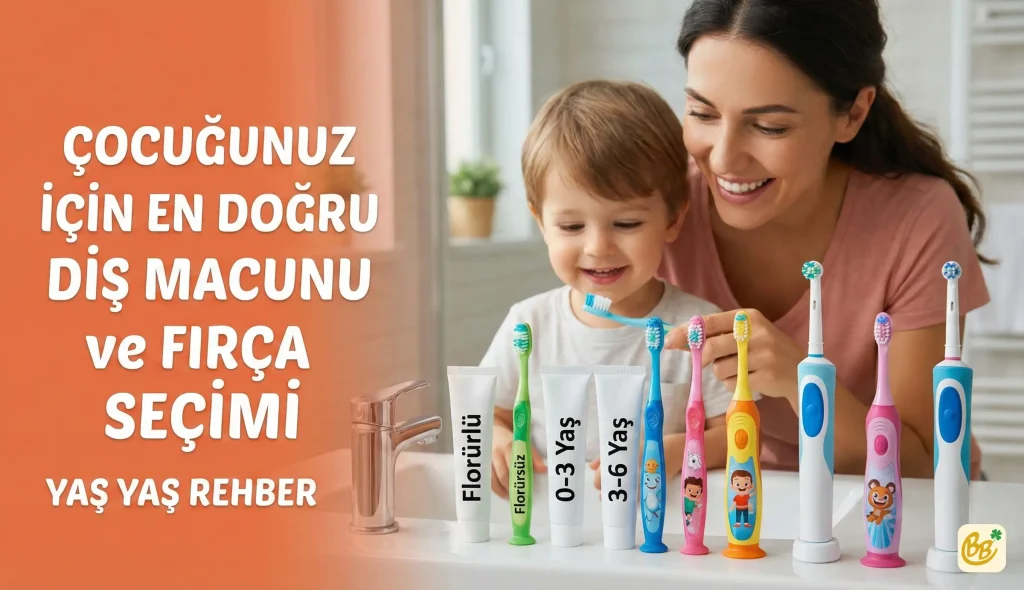
The first teeth should be gently cleaned after breakfast in the morning and before bedtime at night with a clean, damp gauze or a silicone finger brush.
This simple act not only cleans the teeth of the bacterial plaque that causes decay but also lays the foundation for your baby to develop a lifelong habit of oral care.
Remember, the eruption of the first tooth is also the perfect time to schedule your child’s first visit to the dentist.
The teething period is temporary. With patience, plenty of affection, and the right methods, you can ensure that you and your baby get through this process as comfortably as possible. Remember, you can always seek support from a pedodontist (pediatric dentist) to lay the foundations for a healthy smile.