Author: Dr. Behiye Bolgül (Pediatric Dentist – Pedodontist)
Hello, I am Dr. Behiye Bolgül. As a pediatric dentist, one of the most common questions I hear from families is about the problem of teeth grinding (bruxism) in children. This disturbing sound, especially heard during night sleep, creates justified concern for parents.
So, why do children grind their teeth? Is it normal? Does it require treatment? Let’s examine this topic together in a scientific and understandable way.
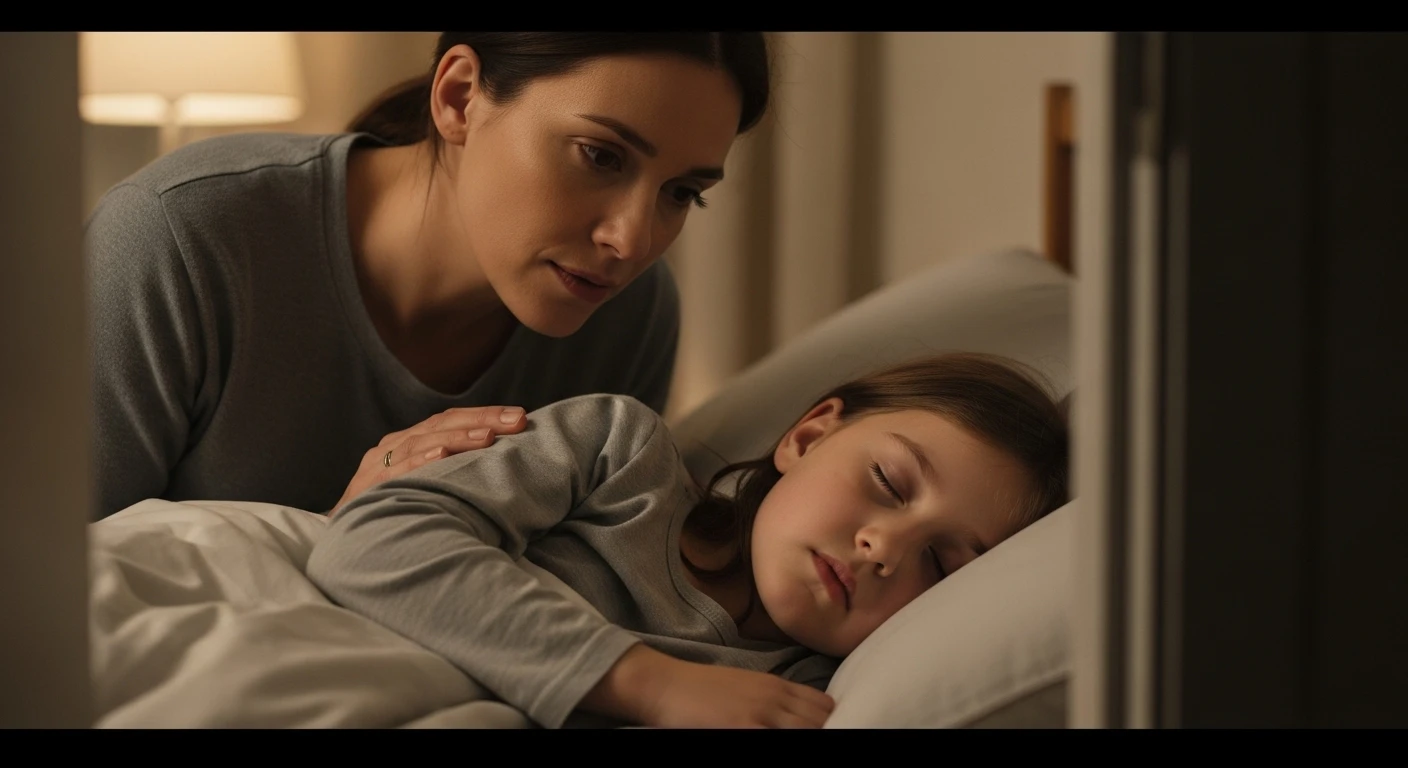
What is Teeth Grinding in Children (Bruxism)?
Bruxism is the condition where a child unconsciously clenches, grinds, or rubs their teeth together during sleep. Most often, parents notice it by hearing this sound. It is commonly seen, especially during the primary (milk) teeth period, and mostly decreases with the eruption of permanent teeth.
However, in some cases, teeth grinding in children can be a sign of other underlying health problems. Therefore, it should not be ignored.
What Causes Teeth Grinding in Children?
There is no single cause for teeth grinding in children; it usually arises from a combination of several factors.
• Dental Development and Change: During the eruption of primary or permanent teeth, as the jaw structure changes, children may grind their teeth to explore their new bite.
• Stress and Anxiety: Life changes such as starting school, sibling jealousy, or moving can cause stress in children, triggering teeth clenching during sleep.
• Reaction to Pain: During an earache or teething period, a child may try to relieve the discomfort by clenching their jaw.
• Sleep and Breathing Problems: Issues affecting the upper airway, such as snoring, mouth breathing, and enlarged adenoids or tonsils, can disrupt sleep quality and pave the way for bruxism.
• Dental Cavities and Oral Discomfort: The pain or discomfort caused by a dental cavity in the mouth can lead a child to unconsciously clench or grind their teeth to alleviate the situation. A high filling can also have a similar effect.
• Genetic Factors: Children with a family history of teeth grinding are at a higher risk.
What are the Symptoms of Teeth Grinding in Children?
• Grinding Sound Heard at Night: This is the most obvious and common symptom.
• Jaw and Facial Pain: Your child may complain of jaw or facial pain upon waking up in the morning.
• Headaches: Mild headaches, particularly in the temple area, may be observed.
• Tooth Wear and Small Fractures: This is the most significant finding noticed during a dental examination. The enamel layer can wear down, and the teeth may become shorter.
• Increased Tooth Sensitivity: Sensitivity to hot and cold foods and drinks may develop due to worn enamel.
How is Teeth Grinding in Children Treated?
Treatment is planned based on the underlying cause. As a pediatric dentist, our first step is to conduct a comprehensive evaluation.
- Detailed Clinical Examination: The level of tooth wear, the condition of the jaw joint, sleep patterns, and potential stress factors are thoroughly assessed. Any dental cavities or ill-fitting fillings are identified at this stage.
- Addressing the Underlying Cause:
- Breathing Problems: If there are signs like snoring or mouth breathing, the child is referred to an Ear, Nose, and Throat (ENT) specialist. Resolving issues like enlarged adenoids can stop the grinding.
- Treatment of Dental Cavities: If dental cavities are detected during the examination, they must be treated by a pediatric dentist. Once the source of pain and discomfort is eliminated, the teeth grinding behavior often decreases or stops completely.
- Night Guard (Protective Appliance): In severe cases of grinding, custom-made transparent night guards can be used to prevent further damage to the teeth.
- Stress Management and Relaxing Routines: For stress-induced bruxism, establishing relaxing bedtime routines such as reading a book, taking a warm bath, or listening to calming music, and talking with the child about their daily problems can be beneficial.
Recommendations for Parents
• Have your child’s teeth regularly checked by a pediatric dentist (pedodontist).
• If you notice snoring, sleeping with an open mouth, or pauses in breathing during sleep, consult an ENT specialist.
• Try to understand the stress factors in your child’s life and support them.
• If teeth grinding continues or worsens, seek professional help without delay.
Frequently Asked Questions (FAQ)
Is teeth grinding in children normal?
Yes, it is seen in most children during the primary teeth period and is usually temporary. However, it is important to monitor as there may be an underlying cause.
At what age does teeth grinding in children stop?
It generally decreases between the ages of 6 and 9, with the eruption of permanent teeth and the settling of the jaw structure.
Can teeth grinding damage permanent teeth?
Yes, if it is severe and prolonged, it can lead to wear, fractures in permanent teeth, and jaw joint problems. Therefore, regular pedodontist check-ups are critically important.
Which doctor should we see for teeth grinding in children?
For the initial evaluation, you should definitely consult a pediatric dentist (pedodontist). If necessary, the pedodontist will refer you to other specialists like an ENT specialist or a pediatrician.
Conclusion: Protect Your Child’s Smile with Professional Guidance
Dear parents, teeth grinding (bruxism) in children is mostly a non-alarming condition that passes with time. However, if there are underlying causes such as a dental cavity or a breathing problem, or if the grinding is severe, it can cause permanent damage to your child’s teeth and jaw joint. Therefore, finding the source of the problem, including the early diagnosis and treatment of cavities, is the best approach.
If you notice signs of teeth grinding in your child, do not hesitate to make an appointment at our clinic for a comprehensive evaluation to get an accurate diagnosis and treatment.