Life-Saving Interventions in Dental Accidents
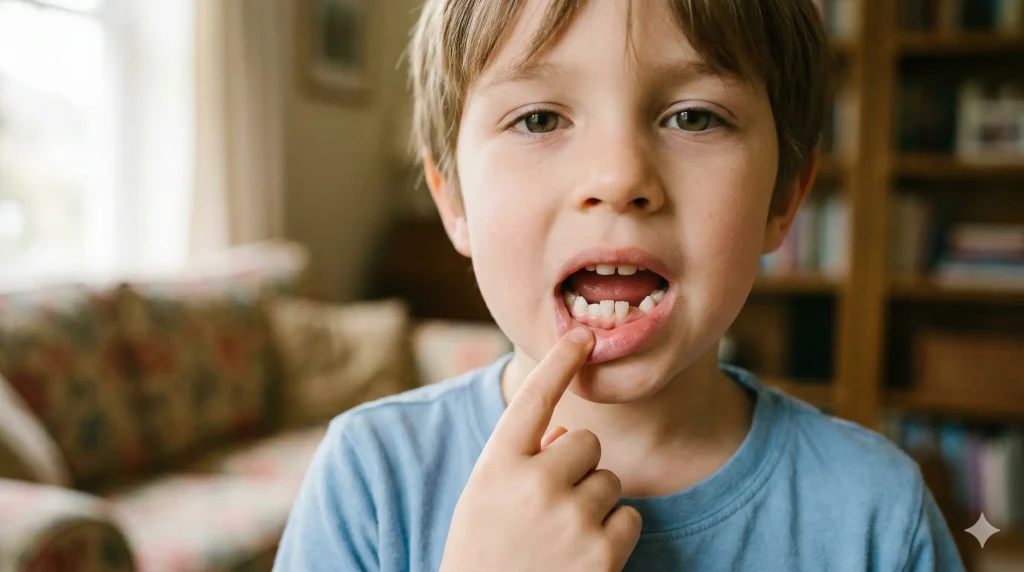
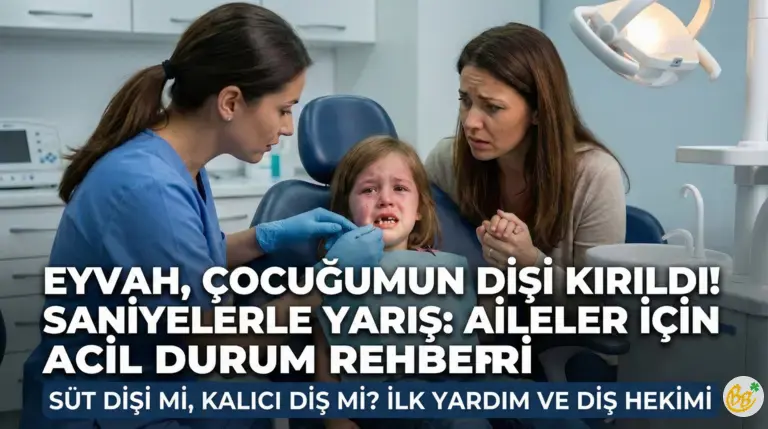
Playing in the park, running at home, or riding a bike… Childhood is active, and unfortunately, dental accidents (traumas) are one of the most common emergencies we encounter. When your child falls and you’re left with a tooth fragment in your hand, the first intervention you make can determine the lifespan of that tooth.
Under the guidance of Prof. Dr. Behiye Bolgül, we have compiled Dental Trauma First Aid Rules that save lives in moments of panic. Read this article and take note if necessary!
Related Articles
- Dental Accident Treatments
- Baby Tooth Treatments
- Dental Veneers for Children
- Sedation and General Anesthesia
- Pediatric Orthodontics
1. The Golden Rule: Stay Calm and Find the Tooth
Seeing bleeding and a crying child is scary, but your calmness will also calm your child. The first thing you need to do is to find the fragment if the tooth has come out completely or a piece has broken. Because the broken piece or the tooth can be glued back into place!
2. How Should I Carry the Broken/Evulsed Tooth? (Very Important!)
The biggest mistake made to protect the tooth fragment you found is wrapping it in a tissue or putting it in a dry box. The stem cells of the tooth must remain alive.
- Best: Cold Milk (Pasteurized milk is fine).
- Alternative: The child’s own saliva (if they can keep it inside their cheek) or a special tooth storage solution.
- Never Do: Do not wrap the tooth in a tissue, do not put it in water, do not clean it with cologne or alcohol!
3. Baby Tooth or Permanent Tooth? The Intervention Changes!
The type of tooth affected by the fall 100% changes the treatment to be performed:
- If it’s a Baby Tooth: Baby teeth that come out of place completely are never re-implanted into place to avoid damaging the underlying permanent tooth bud. However, a dentist’s check-up is still mandatory.
- If it’s a Permanent Tooth: A permanent tooth that has come out should be re-implanted as soon as possible (within the first 30-60 minutes). This maximizes the chance of saving the tooth.
4. The Tooth is in Place but Wobbly or Pushed In
Sometimes the tooth doesn’t break, but as a result of the impact, it can be pushed inside (intrusion) or its position may change.
Do Not Try to Adjust the Tooth Yourself: An incorrect movement can damage the tooth’s root or the underlying permanent tooth.
Book an Appointment Immediately: An X-ray and examination are necessary to understand if the tooth’s nerves are damaged. If necessary, the tooth is stabilized (splinted).
Right and Wrong Actions During Trauma
| Situation | Wrong Intervention ❌ | Right Intervention ✅ |
|---|---|---|
| Tooth is Dirty | Washing with soap or scrubbing. | Rinsing gently only with milk or saline. |
| Transport Method | Wrapping in tissue or cotton. | Putting it in cold milk. |
| Way of Holding | Holding by the root part. | Holding only by the white (crown) part. |
| Timing | Waiting thinking “It will pass by tomorrow”. | Going to the dentist immediately. |
Frequently Asked Questions
What if the broken piece cannot be found?
If the piece is too small or cannot be found, the tooth is restored to its original state with aesthetic fillings (Bonding) or Dental Veneers (Zirconium).
Why does color change occur after dental trauma?
As a result of the impact, the living tissue (nerve) of the tooth may be damaged and the tooth may turn gray/darken over time. In this case, Root Canal Treatment may be required.
Only the lip is burst, the tooth seems fine. Should we still go?
Yes. Sometimes there may be a fracture in the tooth’s root or damage to the jawbone. An X-ray control must be performed to detect damages that are not visible to the naked eye.
Be Prepared for Accidents
Every minute that passes in dental traumas works against the tooth. If your child is interested in sports, you might consider having a custom Mouthguard made to protect the teeth. Knowing what to do in an emergency protects your child’s smile.