Not Just a Simple Smell, It’s a Health Signal
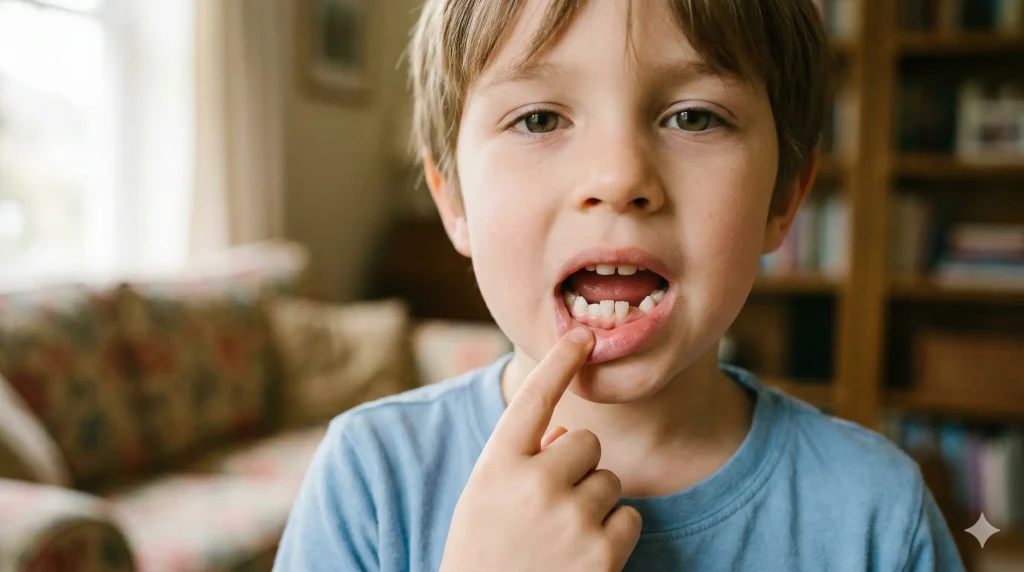
The bad smell coming from your child’s breath might be worrying you. However, this situation is not just a moment where they forgot to brush. Bad breath (halitosis) is often the harbinger of underlying problems such as cavities, gum disease, postnasal drip, or dry mouth. In this guide, you can find the causes of bad breath in children, what can be done at home, and professional treatment methods.

What Is Bad Breath? Why Is It Seen in Children?
Bad breath occurs as a result of volatile sulfur compounds formed by bacteria in the mouth breaking down food particles. The reasons why this condition is frequently seen in children:
- Tooth brushing habit not being fully developed
- Habit of mouth breathing
- Low saliva secretion
- Prolonged postnasal drip or nasal congestion
Read more : Pediatric Dentistry
The Most Common Causes of Bad Breath
Inadequate Oral Hygiene
When regular brushing is not performed, bacteria accumulating especially on the tongue surface cause bad odors. When the tongue is not brushed, sulfur compounds increase, and the odor becomes permanent.
(Internal linking suggestion: Read more: Primary Tooth Treatments
Dental Cavities and Gum Infections
Decayed teeth are a suitable environment for bacteria. In children with gum diseases (gingivitis), bleeding and odor are seen together. If there is a one-sided odor, a cavity or abscess should be suspected in that area.
Read more : What is Early Childhood Caries (Baby Bottle Tooth Decay)?
Dry Mouth (Xerostomia)
Saliva cleans bacteria inside the mouth. Insufficient water consumption, mouth breathing, or certain medications reduce saliva production. This situation leads to a distinct odor, especially in the mornings.
Postnasal Drip and Tonsil Stones
Bacteria multiply in the throat as a result of nasal congestion, sinusitis, or postnasal drip. Small stones formed in the tonsils (tonsilloliths) cause bad breath and difficulty swallowing.
Read more : Sedation and General Anesthesia
Reflux and Digestive Problems
A sharp and acidic breath odor may occur as a result of stomach acid reaching the mouth. In this case, the odor is felt more intensely in the mornings. In case of reflux suspicion, an evaluation should be made with a pediatrician.
Measures Parents Can Take at Home
Do’s
- Brush teeth twice a day.
- Ensure the tongue surface is also cleaned.
- Encourage drinking plenty of water.
- Limit sugary foods.
- Plan a pediatric dentistry check-up every 6 months.
Read more : Fluoride Applications
Don’ts
- Do not use gum or spray to mask the odor.
- Do not apply antibiotics or mouthwash without consulting a doctor.
- Do not wait for a long time; if the odor persists, an examination is required.
When Can It Be a Serious Problem?
Professional examination is required in the following situations:
- Persistent odor despite brushing
- Gum bleeding or swelling
- Nasal congestion and postnasal drip
- Your child keeping their mouth constantly open or snoring
Read more : Pediatric Dentist – Prof. Dr. Behiye Bolgül
Clinical Diagnosis and Treatment Process
1. Oral and Dental Examination
The dentist evaluates cavities, tartar, and gum inflammation in the teeth. If necessary, a periapical X-ray is taken, and the source of the odor is identified.
2. Treatment for Dental Causes
- Decayed teeth are cleaned and filled.
- Professional cleaning is performed for gum infections.
- Fissure sealants and fluoride applications are planned as preventive treatment.
(Internal linking suggestion: Could be directed to the Fissure Sealants page.)
3. Non-Dental Causes
- If there is postnasal drip or tonsil stones, an ENT evaluation is required.
- If there are reflux or digestive problems, they are referred to a pediatrician.
- If there is mouth breathing, an orthodontic evaluation is performed.
Post-Treatment Habits
- Brushing should be done twice a day, along with tongue cleaning.
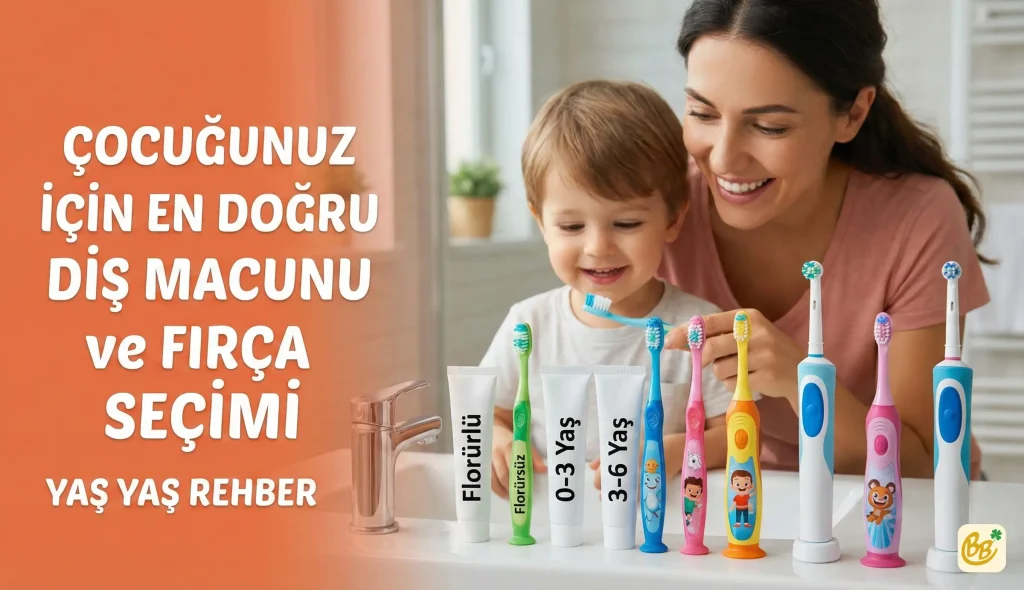
- Fluoridated toothpaste suitable for the age should be used.
- Water consumption should be increased, and sugary drinks limited.
- The 6-month check-up examination should not be skipped.
These habits significantly prevent both bad breath and cavity formation.
Expert Opinion
“Bad breath in children usually stems not from a simple lack of cleaning, but from an underlying infection or physiological disorder. If the odor persists, the cause must be found, not just masked.”
— Prof. Dr. Behiye Bolgül, Pediatric Dentist
Frequently Asked Questions
Why does my child’s mouth smell in the mornings?
During sleep, saliva production decreases, and bacteria multiply. Therefore, morning breath is normal; however, if it persists during the day, it should be investigated.
Is it right to use mouthwash?
For children over 6 years old, alcohol-free mouthwashes can be used. However, mouthwash does not replace tooth brushing.
Is bad breath genetic?
Saliva structure and oral flora may have genetic influences; however, the main cause is environmental factors.
How often should one go to the dentist?
Regular pediatric dentistry check-ups every 6 months are recommended.
Your Child’s Breath Is the Mirror of Their Health
Bad breath is not only a social discomfort; it can be an early sign of an oral, dental, or systemic disease. Early diagnosis protects both your child’s health and self-confidence. You can safely evaluate your child’s oral and dental health by making an appointment today.