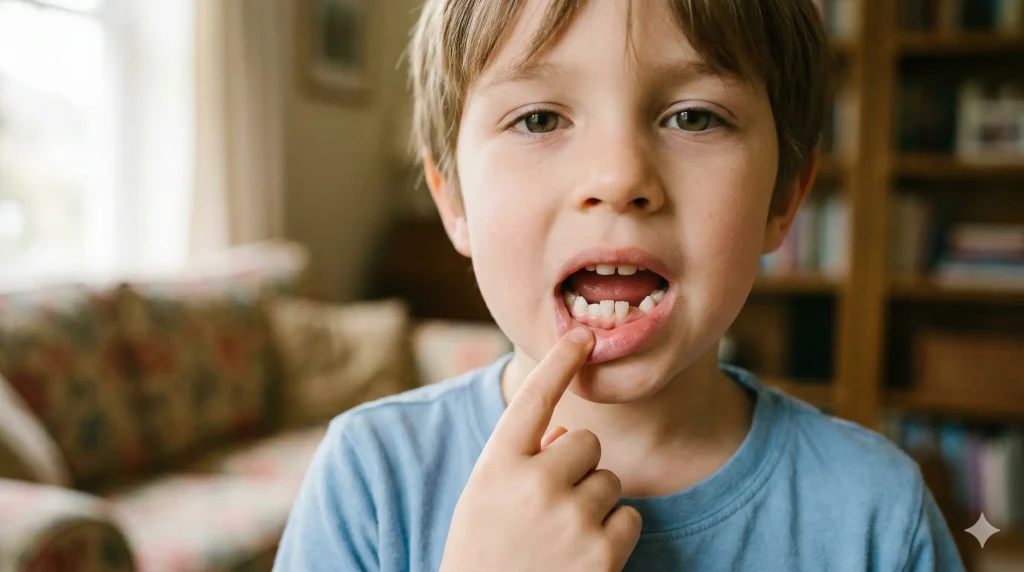
It is very natural to worry when you notice yellow, brown, or even black stains that develop over time on your child’s tiny milk teeth or on the permanent teeth that emerge later. Questions like “Am I doing something wrong?” or “Are these stains permanent?” may occupy your mind.
First, take a deep breath. A perfect and healthy smile is not a dream for your child. Tooth discoloration in children is a very common condition and is often due to simple reasons. Modern pedodontics (pediatric dentistry) offers effective and safe solutions by finding the source of this problem.

What is Tooth Discoloration in Children?
Tooth discoloration in children is the staining of milk teeth or permanent teeth in different shades (yellow, brown, black, green, etc.), causing them to lose their natural white color. This condition may only affect the outer surface of the tooth, or it can sometimes stem from a problem within the tooth’s internal structure. The important thing is to correctly identify the underlying cause of this discoloration and to follow a solution-oriented path accordingly. Tooth discoloration is divided into two main groups based on color changes occurring on the tooth surface or within its internal structure:
- Extrinsic Stains: Stains that form on the surface of the tooth are generally caused by the effects of food and beverage products. Colored foods can lead to color changes on the tooth enamel over time. (Dark-colored fruits like blueberries, blackberries, etc.)
- Intrinsic Stains: These are color changes that occur within the internal structure of the tooth. They can be seen due to genetic factors, medication use (especially tetracycline group antibiotics during childhood), trauma, or after root canal treatment.
Why Does It Happen? Here Are the Common Causes of Tooth Discoloration in Children
Knowing the source of the stains on your child’s teeth is the first step in both taking precautions and understanding the treatment process. Let’s examine the most common causes in items:
- Inadequate Oral Hygiene: This is the most common cause. Bacterial plaques that accumulate on the tooth surface eventually become colored, leading to yellow or brown stains. It is especially seen on the back teeth, where brushing is difficult, and at the gum line.
- Consumed Foods and Drinks: Dark-colored fruits like blueberries and blackberries, tomato sauce or fruit juices, and acidic and colored foods like cola can adhere to the tooth surface and cause staining.
- Medications Used: Iron supplements (blood syrups) in particular can cause temporary black or brown stains on the teeth. Some types of antibiotics (especially the tetracycline group) can also cause permanent discoloration if used during tooth development.
- Trauma to the Tooth: The living tissue inside the tooth (pulp) can be damaged as a result of a fall or impact. In this case, the tooth may gradually turn a gray, pink, or yellowish color due to the effect of bleeding.
- Fluorosis: Exposure to excessive amounts of fluoride during the developmental stage can cause chalky white or brown stains on the tooth enamel. It is generally seen in regions with high fluoride in the drinking water or with uncontrolled swallowing of fluoridated toothpaste.
- Chromogenic Bacteria: Color-producing (chromogenic) bacteria found in the oral flora of some children can cause stains in the form of black lines on the tooth surface, especially near the gum line. Although this condition is often confused with cavities, it is harmless and can be removed with a professional cleaning.
Treatment and Prevention of Tooth Discoloration in Children: What to Do?
Tooth discolorations can be removed with various treatment methods. The treatment methods applied by Antalya pediatric dentist Prof. Dr. Behiye Bolgül are determined according to the structure of the tooth and the type of discoloration.
Applied Treatment Options
- Dental Scaling (Professional Dental Cleaning): For extrinsic stains, stains and plaque buildup on the tooth surface are cleaned.
- Teeth Whitening (Bleaching): For mild intrinsic stains, the color of the tooth can be lightened using special whitening agents.
- Microabrasion: A special abrasion technique used for slight stains on the enamel surface.
- Restorative Applications: For deep intrinsic discolorations, aesthetic applications such as composite fillings, laminate veneers, or zirconium crowns may be preferred.
What course of action should you take when you notice discoloration on your child’s teeth? Here’s what you need to know about the process:
- Expert Opinion for Correct Diagnosis: The first and most important step is to consult a pedodontist (pediatric dentist). Your dentist will accurately determine the type of stain (superficial or internal) and its cause with a detailed examination.
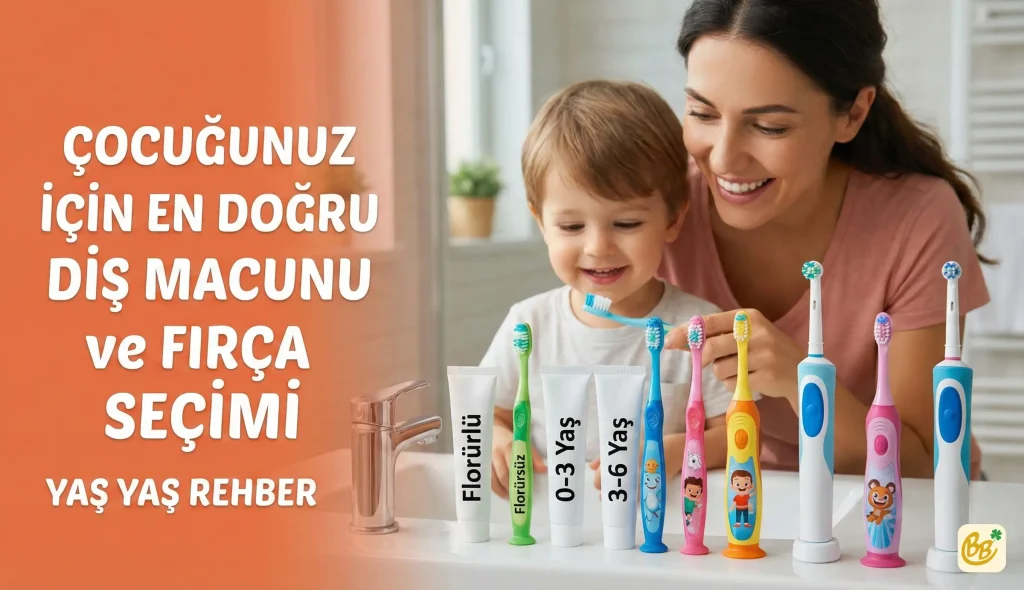
- Effective and Regular Oral Care: Helping your child acquire the habit of brushing their teeth at least twice a day with an age-appropriate toothbrush and toothpaste is the most fundamental way to prevent new stain formation.
- Professional Dental Cleaning (Scaling and Polishing): A large portion of superficial stains can be completely eliminated with a professional cleaning procedure performed by a dentist using special tools and pastes. The procedure is painless and makes your child’s teeth look instantly whiter.
- Reviewing Dietary Habits: Limiting the consumption of sugary and acidic foods and encouraging drinking water instead of colored drinks plays a critical role in protecting dental health.
- Advanced Treatment Methods: For intrinsic discolorations caused by reasons such as trauma or fluorosis, more advanced treatments (microabrasion, whitening, or aesthetic fillings) for permanent teeth may be considered according to the dentist’s decision.
When Should You See a Pedodontist (Pediatric Dentist)?
If you notice a new color change on your child’s teeth, if the staining does not go away despite brushing, or if you observe a color change in a tooth after an impact, you should consult a specialist without delay. Remember that early diagnosis is the key to the simplest and most effective treatment. An examination by a pediatric dentist is essential for the most accurate information and treatment plan.
Frequently Asked Questions About Tooth Discoloration in Children
Does iron medication (blood syrup) cause permanent stains on teeth?
No, the blackish stains caused by iron supplements are usually superficial and not permanent. They can be easily removed with regular brushing and professional dental cleaning after the medication is finished.
We brush my child’s teeth regularly, but the stains don’t go away, why?
This may indicate that the stain is not just caused by bacterial plaque. Chromogenic bacteria, consumed foods, or medications could be causing this situation. It is important to consult a dentist for the most accurate diagnosis.
Do stains on milk teeth affect permanent teeth?
Generally, superficial stains on milk teeth (due to hygiene, food) do not affect permanent teeth. However, if there is a cavity or infection underlying the stain, this can affect the incoming permanent tooth. Therefore, problems with milk teeth must also be treated.
Are the white spots on my child’s teeth dangerous?
Chalky white spots on teeth can be a sign of two important conditions: the beginning of a cavity or fluorosis (excessive fluoride intake). In both cases, an evaluation by a dentist is critical. The beginning of a cavity, if diagnosed early, can be stopped and reversed with special applications without the need for a filling.
What additional measures can we take at home to prevent staining on my child’s teeth?
In addition to a good brushing routine;
- Regulate nutrition: Limit the consumption of sugary, acidic, and colored (candies, some fruit juices, etc.) foods and drinks.
- Increase water consumption: Rinsing the mouth with water or drinking water, especially after consuming colored foods, helps to clean away staining residues.
- Correct toothpaste use: Make sure you are using an amount and fluoride concentration of toothpaste appropriate for your child’s age.
Conclusion: Early Diagnosis is Important for a Healthy Smile!
Just as every detail of your child’s smile is precious to you, it is just as important to us. Although tooth discoloration in children often looks alarming, it is a condition that can be easily managed with the right approach. The important thing is to act with the right information and to get professional support. With regular oral care, a balanced diet, and periodic dental check-ups, you can ensure that your child has a lifelong healthy and bright white smile.
To put aside your worries about your child’s smile, to learn the cause of the discoloration on their teeth, and to be introduced to the most appropriate treatment method, you can contact Antalya pediatric dentist Prof. Dr. Behiye Bolgül for detailed information.