Age-by-Age Guide
Colorful boxes on market shelves, brushes with cartoon characters, and dozens of toothpastes labeled “natural”, “fluoride-free” or “anti-cavity”… One of the most confusing moments for parents is trying to choose the right oral care product for their children.
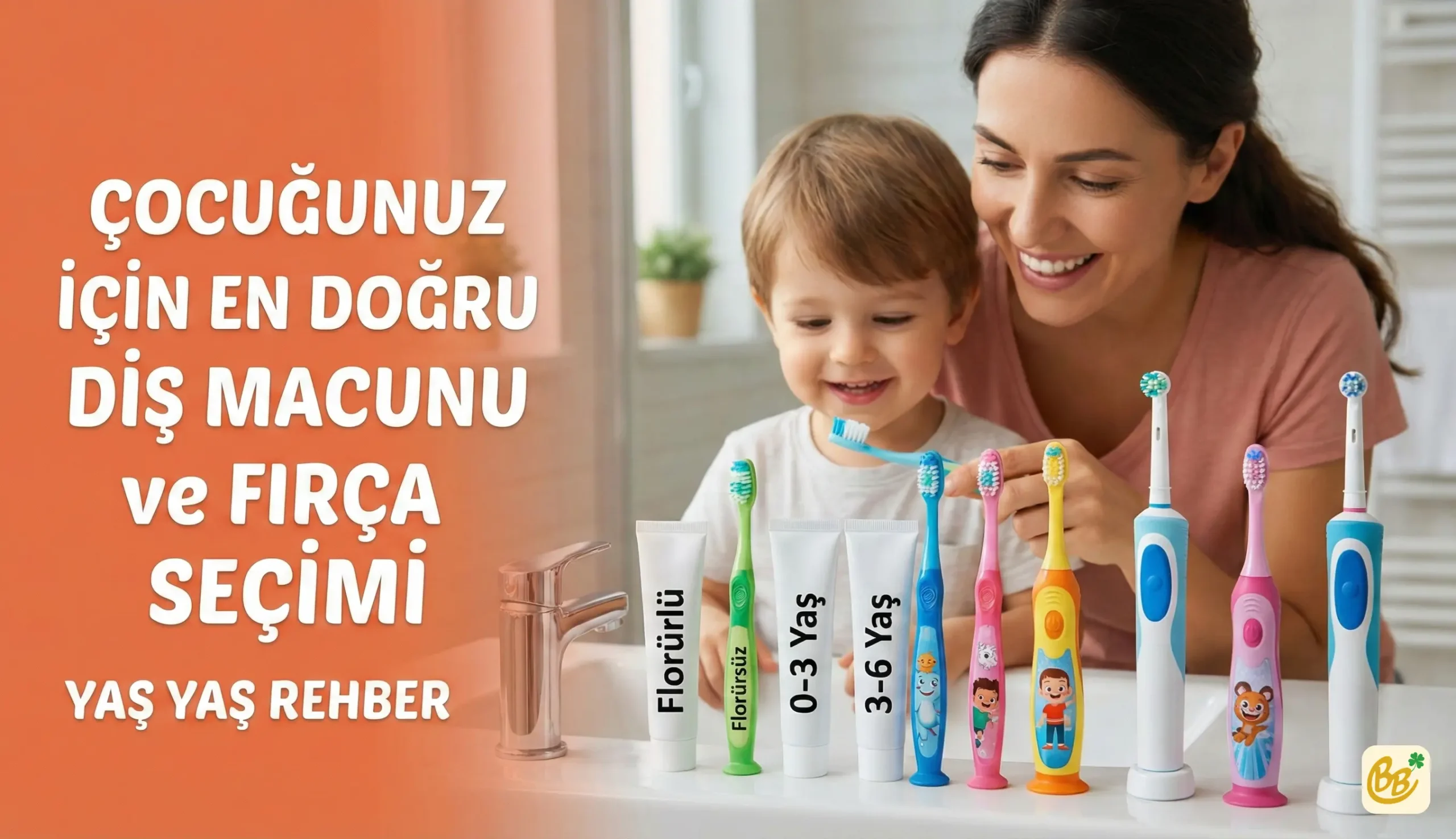
Which toothpaste is safe if swallowed? Do electric toothbrushes damage the gums? Under the guidance of Prof. Dr. Behiye Bolgül, we have clarified the correct choice of toothpaste and brush for you in the light of scientific data. Focus on facts suitable for your child’s dental structure, not advertisements.
Related Articles
- Why Are My Child’s Teeth Decaying So Fast?
- Fluoride Applications: Is It Safe?
- Primary Baby Tooth Treatments
- What If a Primary Tooth Is Lost Early? Space Maintainer Guide
- Baby Bottle Tooth Decay: Causes and Prevention
1. The Great Debate: Fluoride or Fluoride-Free?
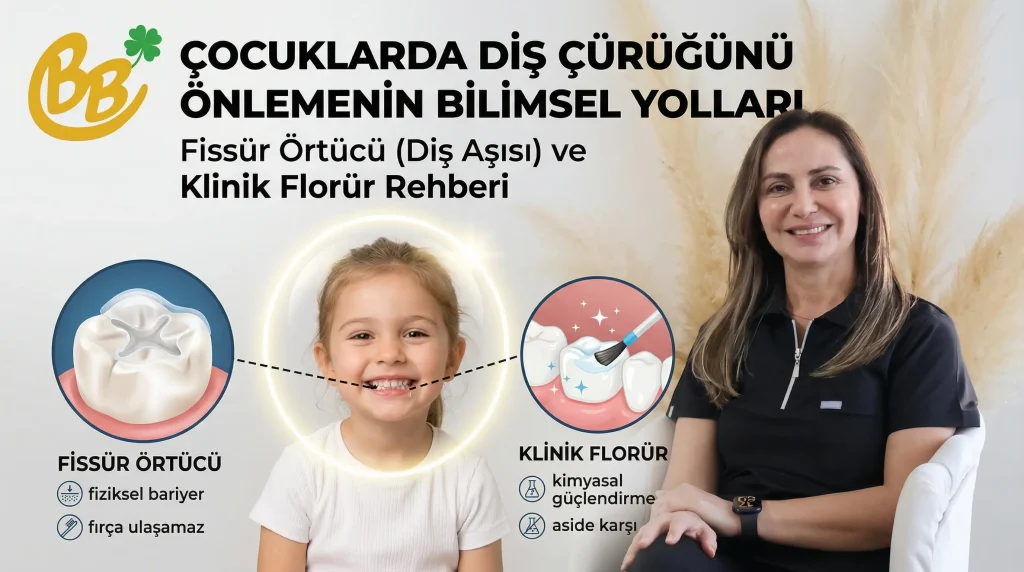
Many families are afraid of fluoride due to information pollution on the internet. However, in dentistry, fluoride is the most effective substance that strengthens tooth enamel and prevents cavities.
- Fluoride-Free Toothpastes: Generally preferred for babies aged 0-3 who have not yet gained the spitting reflex, as they are “swallowable”. However, their cavity protection is low.
- Fluoride Toothpastes: If your child’s risk of cavities is high (early signs of bottle rot, etc.), your dentist may recommend fluoride toothpaste in specific doses at very early ages.
Key Rule: The dose makes the poison. An age-appropriate amount of fluoride (trace amount or pea-sized) acts as a shield for your child’s teeth and is safe.
2. How Much Toothpaste Should Be Used by Age?
The amount you apply to the brush is more important than the brand of the paste.
- 0-3 Years (From the first tooth): Size of a grain of rice (or a smear). Families may generally prefer fluoride-free or low-fluoride (500 ppm), but the dose should be adjusted under doctor supervision.
- 3-6 Years: Size of a pea. Since the child starts learning to spit, standard children’s toothpastes (1000 ppm fluoride) can be used.
- 6 Years and Over: Continue with pea-sized amount, but transition to adult toothpastes (1450 ppm fluoride) can begin.
3. Manual Brush or Electric (Rechargeable) Brush?
Technology attracts children’s attention too. So which one is better?
- Manual Brushes: Increases manual dexterity (motor development). If your child brushes with the correct technique, a manual brush is quite sufficient. It must have soft bristles and a small head.
- Electric Brushes: Research shows that electric brushes are slightly more effective in plaque removal compared to manual brushes. The biggest advantage is motivation. If your child gets bored of brushing, vibrating and musical electric brushes can turn this habit into entertainment.
Suggestion: For children under 3, a manual brush under parental control is generally recommended. After age 3, if the child refuses to brush, an electric brush can be tried.
Common Mistakes: Brushing Errors
| Situation | Wrong Practice ❌ | Correct Practice ✅ |
|---|---|---|
| Toothpaste Amount | Covering the brush from end to end with paste. | Applying a rice grain or pea-sized amount according to age. |
| Rinsing | Rinsing the mouth with plenty of water after brushing. | Just spit! (Do not rinse the mouth so fluoride stays on the teeth to be effective). |
| Brush Hardness | Using a hard brush thinking “it cleans better”. | Children’s tooth enamel is sensitive, always use a soft-bristled brush. |
| Replacement Time | Using until the bristles are completely bent. | Change every 3 months or immediately after flu/illness. |
Frequently Asked Questions
My child swallows toothpaste, will they be poisoned?
The toxic dose in pastes produced especially for children is very high. Swallowing a “grain of rice” amount used in daily brushing does not lead to poisoning. However, keep the paste tube out of reach of children; eating the whole tube can cause nausea.
When should we start brushing teeth?
Cleaning should start as soon as the first baby tooth appears in the mouth (around 6 months). Initially, finger brushes or a clean cheesecloth can be used.
My child doesn’t want to brush, should I force them?
This shouldn’t turn into a power struggle. Gamify it, brush together, or buy a brush with their favorite cartoon character. Electric brushes can be a savior in this period.
A Right Start for Their Future
“Remember, it’s not the most expensive brush or the most popular paste; regular brushing with the correct technique prevents cavities. You can consult our clinic to determine your child’s cavity risk group and learn the most suitable protective products for them.”— Prof. Dr. Behiye Bolgül