This Is Not a Toothache; It’s an Infection Alarm
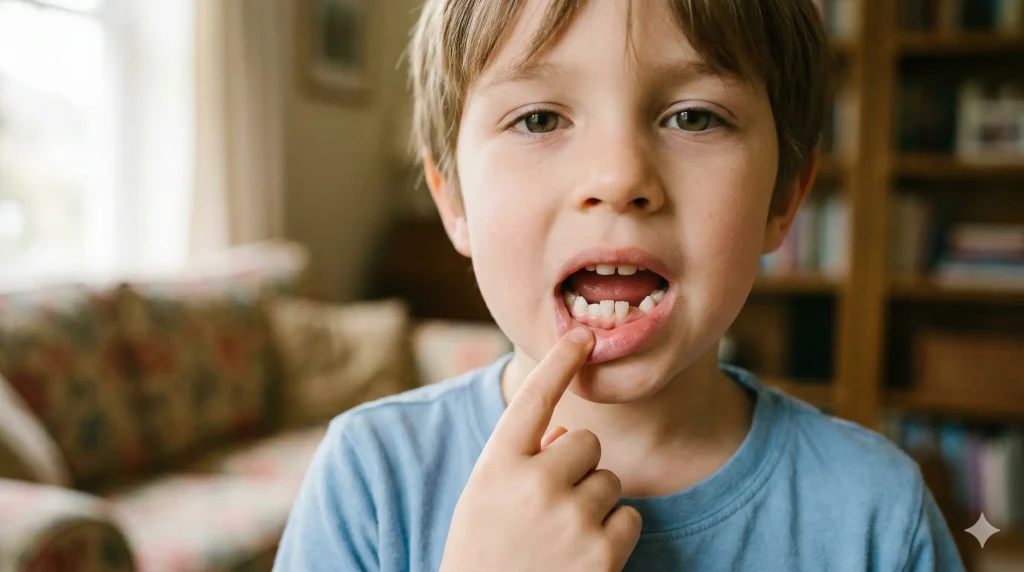
Throbbing pain that intensifies at night, discomfort when pressure is applied to the tooth, sudden swelling on the face…
These are the classic warning signs of a dental abscess in children.
Abscesses do more than cause pain; if treatment is delayed, the infection can spread to surrounding tissues and even the jawbone.
This guide explains what parents can do at home, when urgent care is required, and which definitive treatments are delivered in the clinic.

What Is a Dental Abscess? Why Is It More Common in Children?
A dental abscess is a collection of inflammation and pus caused by bacteria in the tooth root or surrounding tissues.
It appears more frequently in children due to:
- Thinner enamel on baby teeth
- Brushing habits that are not yet fully established
- Night-time bottle use and sugary snacking
These factors allow decay to progress rapidly, enabling bacteria to reach the pulp and form an abscess.
Main Types of Abscesses
Periapical Abscess
Inflammation develops at the root tip when decay reaches the pulp.
It typically occurs in baby teeth or young permanent teeth with a history of decay.
Periodontal / Gingival Abscess
A bacterial infection of the gum and surrounding tissues.
It is often linked to traumatic brushing or calculus buildup.
Combined Lesions
Both the root tip and the gum can be affected.
Diagnosis and treatment may require collaboration among pedodontics, orthodontics, and periodontics.
Most Common Symptoms: When Is It an Emergency?
- Throbbing pain triggered by pressure or chewing
- Sensitivity to hot and cold
- Pimple-like drainage point on the gum
- Swelling on the cheek or under the eye
- Limited mouth opening, difficulty swallowing
- Fever, malaise, loss of appetite
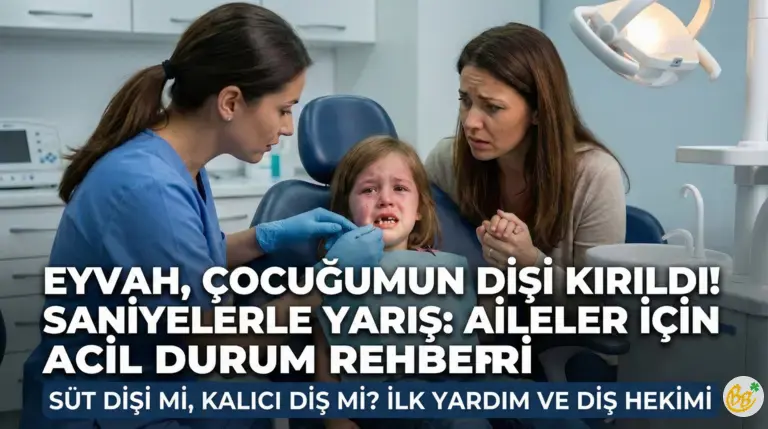
Seek urgent care if you notice: rapidly increasing facial swelling, fever, difficulty breathing, trouble swallowing, or pain spreading to the neck.
First Aid for Parents: Do’s and Don’ts
Do
- Rinse gently with warm salt water
- Use an appropriate analgesic prescribed by the dentist
- Let the child rest with the head slightly elevated
- Limit sugary and carbonated drinks until the appointment
Don’t
- Try to squeeze or puncture the abscess
- Start antibiotics randomly
- Apply hot compresses (they may worsen swelling)
- Offer hard foods or items that are extremely hot or cold
Home measures only ease symptoms.
Definitive treatment must always be performed in the clinic.
Diagnosis: “Painkillers” Alone Are Not Enough
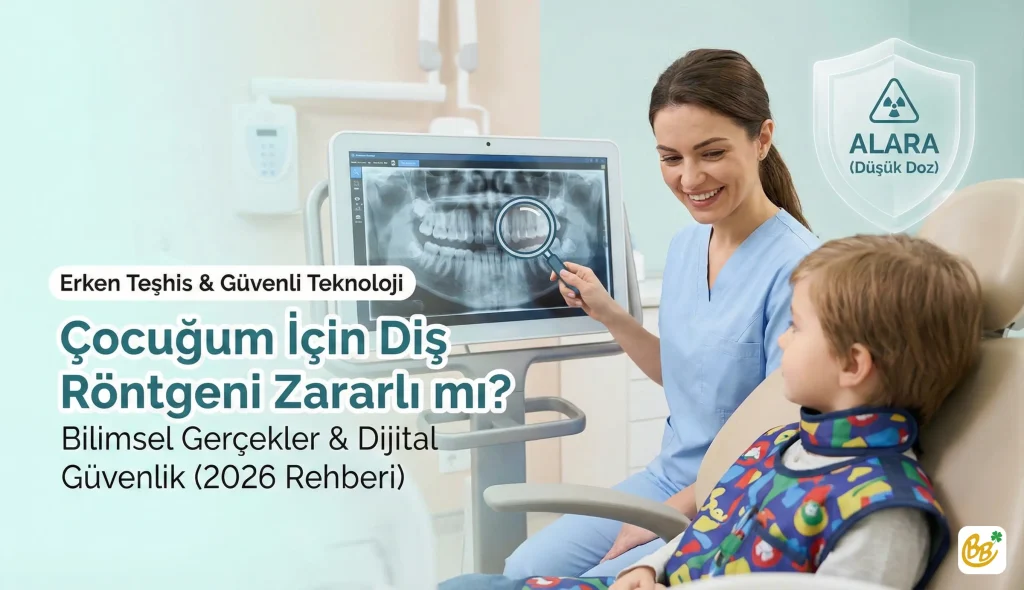
A pedodontic examination includes pulp vitality tests, sensitivity checks, assessment of surrounding tissues, and—if necessary—a periapical radiograph.
The goal is to determine the source and spread of the infection.
Definitive Treatment: Eliminate the Source
The core principle is to remove the root cause of the infection.
The procedure varies depending on whether the tooth is primary or permanent, as well as the child’s age and cooperation.
In Baby Teeth
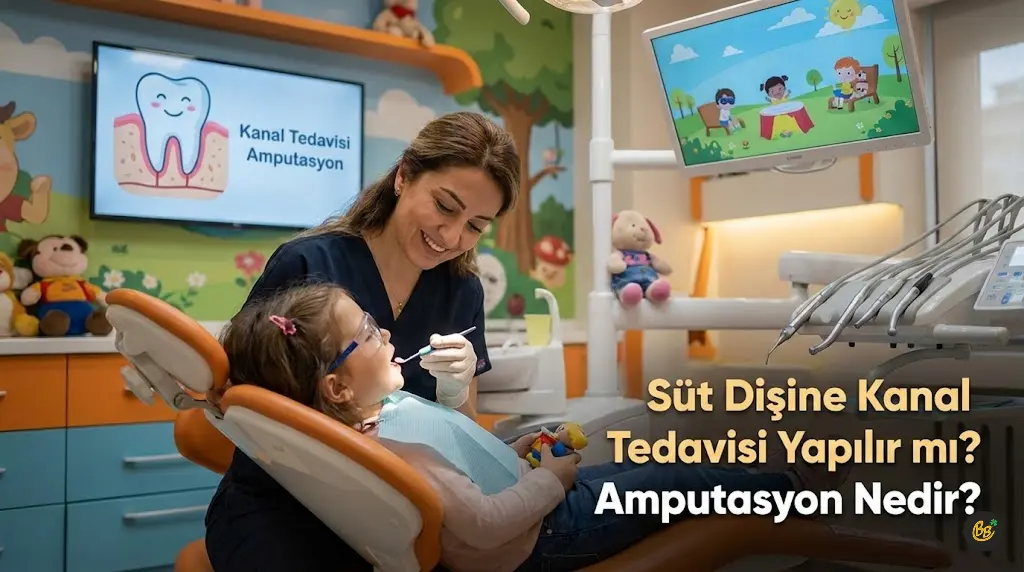
- Vital pulpotomy or pulpectomy (root canal–like treatment)
- Abscess drainage and antiseptic irrigation
- Extraction if root resorption is advanced
- Placement of a space maintainer when necessary
In Permanent Teeth
- Root canal therapy and abscess drainage
- Apex treatments for teeth with incomplete root development
- Restoration and regular monitoring
When Are Antibiotics Necessary?
Antibiotics are prescribed only when systemic signs (fever, widespread swelling, cellulitis) are present.
Antibiotics alone do not cure an abscess; the source must be eliminated.
Pain and Anxiety Management
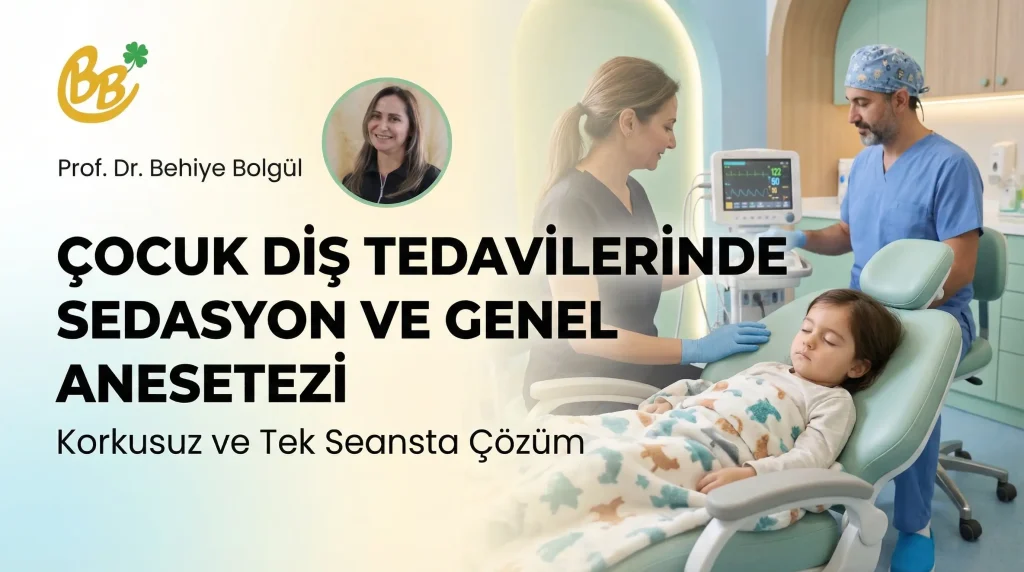
Procedures in pediatric patients are carried out with behavior guidance and local anesthesia.
If cooperation is difficult, sedation or, rarely, general anesthesia may be used.
Post-Treatment Care: Seven Rules to Prevent Recurrence
- Use prescribed medications exactly as directed by the dentist.
- Avoid hot, cold, and hard foods during the first 24 hours.
- Apply the recommended mouth rinse or local care products.
- Do not skip brushing; treat the treated area gently with a soft brush.
- Report any increase in swelling or fever to the clinic immediately.
- Keep all follow-up appointments.
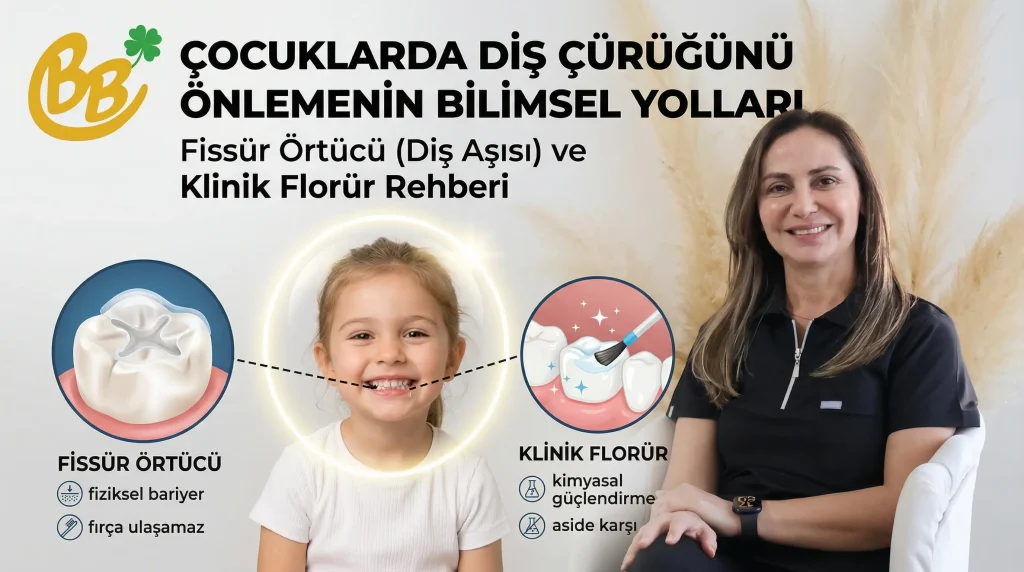
- Plan preventive treatments (fissure sealants, fluoride) when indicated.
Why Does It Keep Coming Back? Breaking the Cycle
Recurring abscesses generally stem from repeating the same habits:
- Insufficient brushing and lack of interdental cleaning
- Constant snacking and night-time bottle use
- Incomplete or lost fillings
- Mouth breathing and dry mouth
Correcting these habits not only prevents odor but also largely prevents new cavities.
Preventive Dentistry: Stop Abscesses Before They Appear
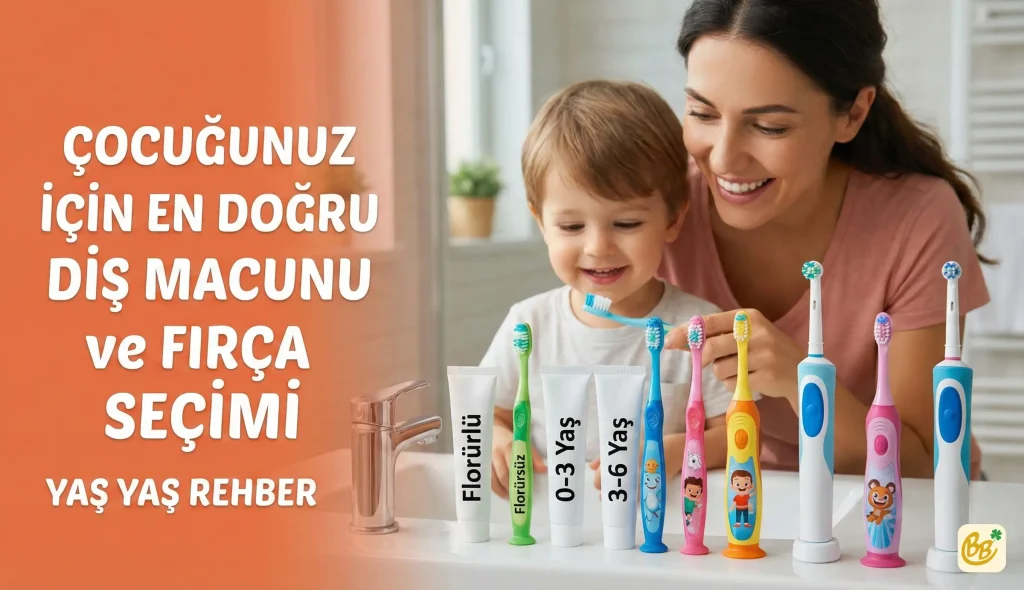
- Age-appropriate brushing training under parental supervision
- Fluoridated children’s toothpaste and professional fluoride applications
- Fissure sealant protection on chewing surfaces
- Limiting sugary snacks and avoiding night-time feeding
- Pedodontic check-ups every six months with radiographic follow-up
Expert Opinion
“A dental abscess in children is usually the natural outcome of untreated cavities.
A problem that could be prevented with a simple filling may progress to drainage or extraction if it is delayed.
The best action for parents is to schedule an examination as soon as symptoms appear.”
— Prof. Dr. Behiye Bolgül, Pediatric Dentist
Frequently Asked Questions
My child’s cheek suddenly swelled. Should we wait at home?
No. Rapid swelling of the face, fever, or difficulty breathing or swallowing is an emergency.
Can an abscess heal without antibiotics?
No. Without treating the source, it will not disappear. Antibiotics serve only as supportive therapy when indicated.
Does an abscessed baby tooth always need to be extracted?
Not always. If the tooth’s condition allows, a pulpotomy or pulpectomy can save it.
The abscess burst and the pain lessened. Do we still need to visit the dentist?
Yes. Reduced drainage does not mean the infection is gone; if the focus is not treated, it will recur.
Take Action Today for Your Child’s Oral Health
A dental abscess in children is a serious infection that should never be postponed.
With early diagnosis, the tooth can be saved, pain can be controlled, and the spread of infection can be prevented.
Schedule an appointment today to have your child’s oral health evaluated with confidence.